棒球投手球种搭配
先发投手通常要负担超过五局的投球,这意味着他很有可能在一场比赛中面对同一名打者。两到三次对决次数越多,打者对投手就越熟悉,在打现第二、第三次轮击时,更容易从先发投手中打下分数, 头手需要用合理的策略来克服应对这种局面。让我们通过这场休斯顿太空人与洛杉矶天使的比赛来分析一下 天使的先发头手。大鼓祥平在本场比赛中大量使用华球太空人打线,第一次轮击有五人,见到的第一颗球是华球,有四人因为华球出局。 三局上半,大鼓本场比赛第二次面对太空人的王牌打者何在?奥图维两人第一次对决时,大鼓第一球就使用了华球,再加上全队前一轮的打击经验,奥图维非常 常相信他大概率会碰到滑球,没想到大鼓不按常理出牌。第一球是一颗直球,虽然这颗球落点偏甜,但奥特为毫无准备,眼睁睁看着大鼓轻松抢到一个好球术。 第二球,奥图为依旧坐等滑球,结果还是直球,但这颗球落点偏高,是一个坏球。仿佛是看穿了奥图为的心思,大鼓再次投出一个直球,球刚好落在内角,将奥图为冻结在原地。 这下奥图维完全陷入被动,再让一个好球就直接被三阵出局了,所以他不能继续坐等滑球了,下一颗球必须做出挥棒的准备了。 关键时刻来了,我们猜猜大鼓会投出一颗什么样的球呢?只见大鼓使出权力,用整场最快的一百点六英里直球决胜,奥特 维完全追不上球速,挥棒落空。大鼓非常聪明,把奥图维的小心思拿捏的死死的。大鼓知道奥图维一直在等滑球,所以大鼓就反其道而行之,用直球将他击败。 五局上半,大鼓本场第三次对举奥图为大鼓,又将作何选择呢?因为上两次打习,奥图为看到了大量直球,所以这次华球成为了大鼓的首选球种。第一颗球,大鼓投了内角,华球虽然没抢到好球,大鼓却观察到了非常重要的信息, 当右头手向右打者内角头滑球时,打者第一反应往往会以为这是处身球,直到最后滑进好球区,奥图维看到这颗球时,身体有明显的退缩反应。这个细节告诉大鼓,奥图维对内角滑球的判断有 有些困难。而在双方的第一个打击,面对内角滑球,奥图维也没有出棒,暴露出了破绽。第二和第三颗球,大鼓又连续使用滑球,第二颗投在好球袋较高位置,奥图维没有出棒, 第三颗球,大鼓投向了外角。这一次奥图为有所预料。然而出磅时机略早,球被拉到界外, 察觉到奥图维在抓滑球,大鼓改头了一颗指叉球,奥图维在最后时刻识破,将其破坏。 来到第五颗球,大鼓准备用什么球种,投在什么位置决胜呢?大鼓已经知道奥图维面对内角滑球存在困难,之前的三颗滑球,投球落点依次从内到外,引导了奥图维的丁球视线。只见大鼓投出的八十五迈华球划出一道犀利的弧线,奥图 突围和之前一样,以为球有可能触身向后躲闪,可是球在进垒时突然位移精准,挂在了内角高的位置。好球奥图维本场第二次被三震出局, 面对奥特维的两个打击,大鼓先是固步一阵,利用对手不相信会连续使用直球的心理,四颗直球对决拿下一次三阵。然后再毫无保留的使用滑球,凭借犀利的变化拿下另一次三阵。你永远可以相信大鼓祥平!

粉丝9.8万获赞81.5万
相关视频
 00:48查看AI文稿AI文稿
一种投球的组合方式是通过将球投到不同位置造成视觉差。比如当第一个球投到好球区上端,击球员的眼睛已经调节到适应了高球,这时投手可以攻其不备,突然投一个低球,让击球员来不及反应。 除了高低的搭配外,内外角的搭配也可以起到同样的作用。就好比拳击中左左右右右左这类组合一样,理想中的效果就是通过变换位置让对方无法预判。 还有一种投球的组合策略是变换不同球种,造成速度与路线的差别。比如投手用直球搭配变速球,当击球员习惯了较快的球速后,面对变速球根本来不及反应。直 球与变速球搭配是 mlb 中最常见的一种投球组合。还有直球加驱球以及直球加滑球都是常见的投球组合。
59指媒Anime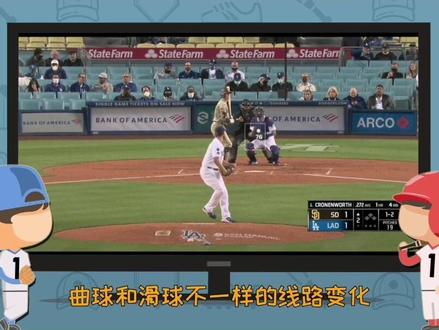 01:33查看AI文稿AI文稿
头手学会了不同球种,就像在游戏里拥有了几个技能,要开始思考怎样搭配这些技能,才能产生最好的效果,打出最强连招。头手搭配不同头球组合的目的只有一个打乱击球员的节奏,让击球员一直处于猜测的状态,难以预判。 一种投球的组合方式是通过将球投到不同位置造成视觉差。比如当第一个球投到好球区上端,击球员的眼睛已经调节到适应了高球,这时投手可以攻击不备,突然投一个低球,让击球员来不及反应。 除了高低的搭配外,内外角的搭配也可以起到同样的作用。就好比拳击中左左右、右右左这类组合一样,理想中的效果就是通过变换位置让对方无法预判。还有一种投球的组合策略是变换不同球种,造成速度与路线的差别。比如投手用 直球搭配变速球,当击球员习惯了较快的球速后,面对变速球根本来不及反应。直球与变速球搭配是 mlb 中最常见的一种头球组合。还有直球加曲球以及直球加滑球都是常见的头球组合。 比起直球,曲球和滑球,不一样的线路变化也能有效的影响机球远的机球节奏。就像拳击中先来两个次拳,再突然跟上一个上勾拳,通过线路变化打得对方措手不及。 头球组合还可以既改变头球位置,也变换球种。比如很多头手会先投一个偏高的直球,然后再配一个低角度的曲球,把位置、速度和路线的变化结合起来,与击球员博弈。
849棒球观察员 01:54查看AI文稿AI文稿
前面我们介绍了投手的球种以及把球投向哪里的基本策略。投手学会了不同球种,就像在游戏里拥有了几个技能,要开始思考怎样搭配这些技能,才能产生最好的效果,打出最强连招。 投手搭配不同头球组合的目的只有一个打乱击球员的节奏,让击球员一直处于猜测的状态,难以预判。 一种投球的组合方式是通过将球投到不同位置造成视觉差。比如当第一个球投到好球区上端,击球员的眼睛已经调节到适应了高球,这时投手可以攻其不备,突然投一个低球,让击球员来不及反应。 除了高低的搭配外,内外角的搭配也可以起到同样的作用。就好比拳击中左左右、右右左这类组合一样,理想中的效果就是通过变换位置让对方无法预判。还有一种投球的组合策略是变 换不同球种,造成速度与路线的差别。比如投手用直球搭配变速球,当击球员习惯了较快的球速后,面对变速球根本来不及反应。直球与变速球搭配是 mlb 中最常见的一种投球组合。还有直球加驱球以及直球加滑球都是常见的投球组合。 比起直球,区球和滑球,不一样的线路变化也能有效的影响击球员的击球节奏。就像拳击中先来两个刺拳,再突然跟上一个上勾拳,通过线路变化打的对方措手不及。 投球组合还可以既改变投球位置,也变换球手。比如很多投手会先投一个偏高的直球,然后再配一个低角度的区球,把位置、速度和路线的变化结合起来,与击球员博弈。就像游戏技能一样。职业球员也会依据以上几 一个基础原理,延伸出更多技能组合。球员也可以根据自己的技能包搭配出独属于自己的头球连招。好了,头手的基本策略我们讲的差不多了,下一集让我们来了解一下不同类型的头手吧! yes!
56指媒Anime 02:12查看AI文稿AI文稿
集合啦大家好,欢迎来到全新的棒球一零二。 去年的棒球一零一我们给大家科普了棒球的基本规则,今年的棒球一零二我们要带大家开始研究棒球场上的各种策略,这样可以帮助大家进一步看懂棒球里面的门道拆解,一招一式,言归正传。大家还记得棒球场上最靓的仔吗? 如果我们把棒球比作战斗策略游戏,每个头手一出场都自带技能框,再根据属性搭配技能,头手的技能就是他们所掌握的不同头球种类。头手的球种主要分为三大派系,直球、变速球和变化 发球。区分不同种类的头球依靠的主要是球的速度与移动的方向。我们今天就先讲直球系,拿来吧!直球直球中最常见的是四缝线直球,通常被直接简称为直球。 四缝线直球是所有投球中球速最快、线路最直、投手最容易控制的球,也是最早出现的球种。 直球以速度取胜,越快越难被击中。直球是每一个投手的标配,就像平时一进入游戏,站在新手村手里的角色都有一个基础技能,出门就能用 直球系。还有二缝线直球、卡特球、快速指叉球。和深卡球相比四缝线直球,这些球会减少一些速度,但增加小幅度的移动。值得注意的是,右撇子和左撇子头球的移动 轨迹是不一样的,比如右撇子投出的卡特会往他的左手方向水平移动,而左撇子投出的卡特会往他的右手方向水平移动。 投手的基础技能包看似已经非常丰富了,但是投手只掌握直球是不够的,不能满足比赛需求,今天我们对于球种和其中的直球只是浅尝折纸, 下一集再继续介绍变化球和变速球,大家记得做好复习和预习哦,加油!
21老K帮 00:56
00:56 00:18查看AI文稿AI文稿
好多人忘记那个 change up is a very very good pitch 这是我的四缝线速球,这是我的变速球。连在一起看 change 很很像一个 fastball but mine so it's a very very good pitch 学会了吗?
909徐嘉诚的棒球之路 00:59
00:59 01:26查看AI文稿AI文稿
penga cube it's a cool cool look to fucking look here oh tiger waiter who would you look your smart as she must do this time。
 00:50
00:50 00:59查看AI文稿AI文稿
还记得我们的棒球策略游戏吗?通常游戏角色会因为技能特色搭配不同属性有不同的定位。今天我们要介绍一下投手的属性和定位。成为一名大联盟级别优秀的投手,需要不断苦练,一步步进阶。从新手村出发,通过练习找到自己的属性和定位。 首先,头手需要明确自己的属性。有些人力量天赋点满,成为了大力出奇迹的火球型头手有些人控球天赋出众,如弓箭手、摆步穿杨,成为了控球型头手 有些人开发了魔法手信,精通变化球。还有更厉害的,拥有了超过一种属性,成为了全能 ace。 接下来是培养技能。除了标配的直球,每一名头手还会根据自身特点开发出适合自己的球种。通常大联盟头手需要掌握两到三个不同球种, 有的人掌握了变化球,有的人更擅长变速球。每当一名头儿手娴熟地掌握了一个球种,就相当于把一个新技能放进自己的比赛技能框中。
358棒球观察员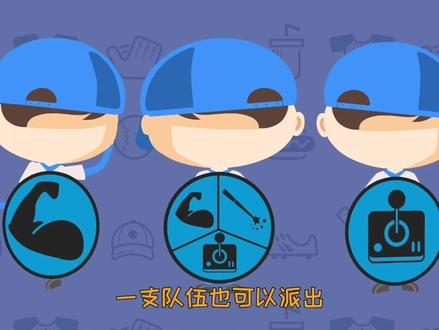 00:41查看AI文稿AI文稿
因为大联盟每场比赛投球局数较多,先发投手需要更好的耐力来面对更多的击球员,同时还需要至少精通三到四个不同球种,从而有更多技能组合来迷惑击球员。后援投手每场比赛通常只需要投一到两局,因此对体能要求较低, 同时也只需要精通一到两个球种。但后源头手像消防员一样,在需要出场时得随叫随到,所以他们往往需要更强的适应能力和大心脏。 在一场比赛中,不仅一名头手可以组合不同球种来打破一名击球员的节奏与平衡,一支队伍也可以派出不同特质的头手来面对不同的击球员,打乱一支队伍的节奏。
301棒球观察员 02:04查看AI文稿AI文稿
大家好,欢迎来到全新的棒球一零二。去年的棒球一零一我们给大家科普了棒球的基本规则。今年的棒球一零二我们要带大家开始研究棒球场上的各种策略, 这样可以帮助大家进一步看懂棒球里面的门道。拆解一招一式,言归正传,大家还记得棒球场上最靓的仔吗? 如果我们把棒球比作战斗策略游戏,每个投手一出场都自带技能框,再根据属性搭配技能。投手的技能就是他们所掌握的。不同投球种类。投手的球种主要分为三大派系直球、 变速球和变化球。区分不同种类的投球,依靠的主要是球的速度与移动的方向。我们今天就先讲直球系,拿来吧。直球直球中最常见的是四缝线 直球,通常被直接简称为直球。四缝线直球是所有头球中球速最快、线路最直、头手最容易控制的球,也是最早出现的球种。 直球以速度取胜,越快越难被击中。直球是每一个投手的标配,就像平时一进入游戏,站在新手村手里的角色都有一个基础技能,出门就能用。 直球系含有二缝线直球、卡特球、快速指插球和深卡球。相比四缝线直球,这些球会减少一些速度,但增加小幅度的移动。 值得注意的是,右撇子和左撇子投球的移动轨迹是不一样的。比如右撇子投出的卡特会往他的左手方向水平移动,而左撇子投出的卡特会往他的右手方向水平移动。投手的基础 能包看似已经非常丰富了,但是投手只掌握直球是不够的,不能满足比赛需求。今天我们对于球种和其中的直球只是浅尝折纸,下一集再继续介绍变化球和变速球,大家记得做好复习和预习哦,加油!
954指媒Anime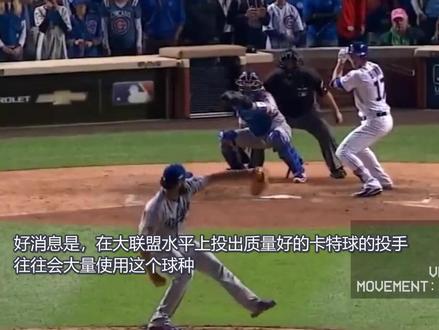 10:13查看AI文稿AI文稿
identifying pitches? hey, if you've ever watched a major league baseball game you probably know how difficult it can be to identify the different types of pitches that pitchers throw so i put this video together to help you identify the pitches that you might be seeing in a major league baseball game in general the three things that you're looking at are number one the velocity of each pitch number two, the movement of each pitch and number three and this is kind of a bonus the pitch arsenal of each individual pitcher if you go to baseball savant you can look up the various pitches that each pitcher throws for example if you know that a pitcher throws a curveball seam fastball and a change up that narrows it down for you pretty nicely all right let's get started fastballs the fastball is the basic pitch of of major league baseball and it's the type of pitch that you're gonna see the most there are three basic categories of fast balls and most major league pitchers use one of these types of fast balls as their primary pitch foreseen fastball the foreseen fastball is the most common pitch in major league baseball it's also the easiest to identify because from the angle of most tv broadcasts, a foreseen fastball appears to travel in a straight line with no vertical drop whatsoever? this straight and level movement is a result of the high amount of backspin placed on the ball if you see a pitch that's traveling this straight at ninety plus miles an hour you're probably looking at a four seam fastball some four seam fastballs actually appear to travel upwards as they approach the plate and this is called a rising fastball despite the way it looks on tv this upward movement is just an illusion sinker or two seam fastball the two seam fastball or sinker has movement as it approaches the plate this movement is usually downward and or towards the pitcher's arm side so away from the glove if you see a pitch at fastball velocity that drops or appears to run or twist towards the pitcher's arm side you're probably looking at a two seam fastball the terminology can get a little bit confusing at first because people call this same type of pitch by two different names the most common practice is to call it a two semer if it arrives up in the zone or if it runs laterally without much downward movement reserving the term sinker for a two seamer that drops or that arrives low in the zone but it's also fairly common to use these terms interchangeably or to just use one term for example stat cast we'll call this pitch a sinker every time even if it arrives up in the zone cutter the cutter is the least common fastball in major league baseball by definition the cutter is characterized by late and sharp movement towards the picture's gloves side so the opposite direction of a sinker in practice however, a cutter can also drop or break hard towards the glove side like a slider the unpredictability of the cutter can make it one of the hardest pitches to identify outright and in fact it's not unheard of for major league broadcast crews to disagree about whether a pitcher has just thrown a cutter or another type of pitch most commonly a slider looks like a slider actually just a crisp hard slider a little brake to it cutter they're calling it the good news is that pitchers who throw a good cutter at the major league level tend to use this pitch quite a bit so knowing that a pitcher throws a cutter is your first step and identifying what that pitchers cutter looks like braking balls? braking balls are pitch is thrown with significant top or side spin that causes the ball to change direction as it approaches the plate this change in direction is called brake there are two basic types of braking balls the curveball is generally the slower of the two braking balls the architable twelve to six curveball gets its name from the fact that it breaks downwards as if it's traveling from twelve o'clock to six o'clock but a curveball can also travel towards the pitcher's gloves side or come in straight and then bottom out the curveball is almost always the slowest pitch that a pitcher throws so if you're looking at a pitch that's traveling anywhere from sixty to eighty miles an hour with a looping or a dropping motion it's probably a curveball slider a slider is a braking ball that breaks diagonally towards the pitcher's glove hand side sliders are generally thrown faster and with a tighter brake than curveballs as you watch these sliders you might be noticing that some of them are bearing a resemblance to curveballs and others are bearing a resemblance to cutters this is a good time to say that these pitches all more or less exist on a continuum and people sometimes use terms like slurve to describe pitches that don't quite fit into one of these categories in any case, if you're talking about a slider or a slurf or a curveball you're talking about a braking ball and the good news is if you just call one of these pitches of braking ball you're never going to be wrong speed pitches while the term off speed pitch technically refers to any pitch that's not a fastball in practice the term off speed pitch is usually reserved for pitches that mimic fastballs but that come in at a lower velocity there are two types of off speed pitches that you will commonly see change up a change up is a pitch that's disguised to look like a fastball that arrives about eight to fifteen miles an hour slower to my eye most changeups look like sinkers but again they arrive eight to fifteen miles an hour slower than that pitcher's fastball let's take a look at a couple examples here is john means throwing a fastball at ninety five and then here is the changeup when we sew this down we see this is just a standard four steam fastball ninety five and the change up looks like it could be a sinker but arrives eleven miles an hour slower than the fastball here's lucas giulito fastball ninety six and then the change up arrives at eighty five when we slow this down we see it's a standard four seamer again and then with the change up same delivery comes in looking like it could be a fastball but it arrives at eighty five the change up is designed to be deceptive and even professional broadcasters can get it wrong on fastball take it low too fast balls that was a change it was a change eighty nine miles an hour yeah he feels harder than that this is a pitch that becomes much easier to identify once you start paying attention to the pitch velocities that are displayed on screen the splitter is an off speed pitch that is thrown like the fastball but that has a significant and late downward this diving movement is a result of the low spin rate placed on splitters which pitchers achieve by using a split finger grip that gives this pitch its name it's easy to see a splitter and at first think that it might be another type of pitch that has some significant downward movement like a curveball or a sinker, but once you start paying attention to the velocity of each pitch you should be able to pick out the splitters here is johe o tony throwing a curveball at seventy nine and a splitter at eighty eight when we slowly is down we can see that the curveball has kind of a tumbling action to it whereas the splitter comes in looking like it might be a fast ball and then just drops the splitter is ultimately not a very common pitch so knowing that a pitcher has a splitter in their arsenal is a good first step in identifying that pitcher's splitter less common pitches the fast balls, braking balls and off speed pitches that we've seen so far constitute the vast majority of pitches that you'll see when watching major league baseball there are a few other types of pitches that you might see and we'll go through them pretty quickly, ethas and ethas pitch is an incredibly slow and high arcing braking ball if you want to call it that forkball the fork ball is like an extreme splitter and these will often land in the dirt or touching home plate screwball a screwball is a braking ball that breaks like a mirror image of a slider so towards the pitcher's arm it's been years since one has been thrown at the major league level knuckleball and finally there's the knuckleball which is an unpredictable and floaty pitch that's thrown with almost no spin whatsoever so that covers pretty much every pitch you're gonna see when you watch major league baseball? if you know that you're gonna be watching a baseball game and you want to get better at identifying pitches the best thing you can do is go to baseball savant and search for the starting pitchers for that game see what they pitch so that you are prepared and you know it's coming beyond that just keep paying attention to how the pitches move and the velocity of the pitches that you see on tv and it won't be long before you are identifying pitches pretty well real quick before we wrap up it should be made clear that each example that was shown in the this video is a well executed example of each pitch type and in order to show the full movement of each pitch type i only included videos where the batter did not make contact with the ball in reality not every pitch that you see in a majorly baseball game is gonna be this pretty or is gonna conform this well to the definition of each pitch type braking balls might not break and this is called a hanging braking ball and they happen all the time hanging braking balls are usually hit for power so you don't want them pitchers will misfire on their fastball and pitchers are always changing up the velocity movement and location of their pitches in order to keep batters guessing so even the same type of pitch from the same pitcher can and will look different from pitch to pitch so give yourself some time and if you want to identify pitches by just seeing them on tv i'm pretty sure you'll be able to get there within a couple weeks if you just keep at it feel free to come back to this video anytime you want for reference unless it's a submariner style picture in which case you're on your own。
927吃不饱的犬都督 01:19查看AI文稿AI文稿
thrown with the fingertips not the knuckles pretty much none guys i'm up here ronnie late movement down and in out of strikes on we starts and remember that shutout that take you through a few starts ago he ended that game for the forty first time this year on strike this one just out you can just see hardly any rotation on that ball just drop straight continues that's 23 straight from it pictures do nothing be pitch changes lens mid streams starts down this bite grip right there fingernails in baseball you can almost see the in print of the baseball from the nails as you releases it not a lot of rotation but watch the sink action late down and away two or three starts back remember that shutout that take you through a few starts avali and the depth game。
2219星爷聊球 00:46查看AI文稿AI文稿
今天我来给你们介绍几种棒球,哦哦哦。这种球叫做外服球,俗称赠送球,他身上有好的动力。 微足球有两种,一种是这种球,而另外一种就是这种球,他可以让你像大龄童徒手一样投出更多的变化球。如果你觉得这两种球都没有棒球量的手感的话,你可以试试这种球。空气的软胶皮棒球。如果你有一定的棒球基础的话,你可以试试这个, 也就是 c 球。我们五六年级的小学生会用到这种球,俗称假硬球。我们用这种球来训练和打比赛。如果你是十二岁以上,并且拥有五六年的球龄的话呢,你可以试试这种球,也就是真正的棒球。让我们一起练习棒球吧!
 00:14
00:14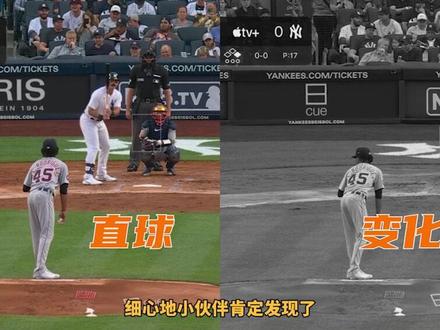 04:02查看AI文稿AI文稿
一位合格的大联盟投手,往往会用各种方式去避免对方击球员击出安打。通常他们会在三个维度上做文章,投球的速度、轨迹以及落点。所以投手投出的球会十块,十慢十直、十区、十高十低。 其球员如果能预判到其中一两个维度,那么击出安达的概率就会大幅度提升。让我们来看一个真实的案例。 这是底特律老虎对着纽约杨姬的一场常规赛,头首埃尔文罗的里格斯是老虎的新秀,杨姬的老将还不太了解他,所以格外注意他的头球动作。 二局下办耒上无人时,罗德里格斯采取正版投球,没有露出任何破绽。但当第一位击球员被保送上衣雷后,磊上有人时,罗德里格斯改成侧版头球。 我们来观察一下罗德里格斯接下来的这四颗球,看看聪明的你能否看出什么端倪。 大家看出什么了吗?细心的小伙伴肯定发现了,投直球之前,罗德里格斯会先往三类方向看上一段时间,而投变化球之前,他会完全不看三类,或者只看很短的时间。这么明显的破绽好, 毫无疑问,杨奇的老将们也注意到了,接下来他们要做的就是在之后的比赛中验证并加以利用。四局下半两出局,杨奇终于有球员站上了衣垒,破绽的机会来了。 罗德里格斯采取侧版投球姿势投球,之前未看像三类,那么大概率是变化球了。知道了球种,其球员在第一颗球就轻松击出二类安打。 面对下一棒的核赛,特雷维诺继续采用侧板投球。特雷维诺更加擅长打直球,所以他上场就坐等直球, 结果前四颗球都是华球,特雷维诺只能按兵不动。第五颗球,罗德里格斯终于看向了三雷,不过这颗球投的很高,特雷维诺没能打扎实 良好球,特勒维诺没有挑选的余地了,在好球区里的球都得挥棒缠斗。到第八颗球,特勒维诺将一颗滑球打向中外野,本来是稳稳地接杀,然而老虎外场手没能判断好球的落点,免费送羊几两分。 下一棒的击球员在第二球就等到了自己想要的直球,并且击出安打,送回三雷上的特雷维诺。不过这次老虎队的手背弥补了之前的失误,在二雷将他触杀。 比赛来到五局,下半零出局,第一位击球员被保送上垒,罗德里格斯又要采用侧板投球了,破绽又来了,投手投球时的动作早已被破解,但他自己却还被蒙在鼓里。投手看向了三垒,那么肯定是指 球种被迫切,罗德里格斯又在第一球就被击出安打 下一棒。第一球没看三磊,变速球没有出棒,第二球看向了三磊,安东尼李左信心十足的大棒一挥,将球打出本垒打墙外三分,本垒打, 后知后觉的老虎队终于意识到自家投手投球时一直在露出破绽,想要做出调整时为时已晚。 杨姬已经取得了十比零的领先,比赛基本盖官定论,杨姬的这帮老将们真是给老虎的新秀头儿手好好的上了一课呀!
2043棒球观察员


