第一序列蒸汽列车是谁的异能

粉丝7033获赞10.4万
相关视频
 01:45查看AI文稿AI文稿
如果让你穿越到第一序列,你最想觉醒什么能力?第一位是壁垒终结者任小素的供电能力,有可以复制其他超能力的能力,简称外挂。第二位,女主角杨晓瑾的巨线狙击枪能力,我想喜欢玩吃鸡和穿越火线的朋友都喜欢这个能力吧。第三位,背锅侠王从阳的召唤蒸汽火车能力, 这个能力用来旅行非常方便,还可以载人拉客赚钱,可惜弱点也非常明显,火车被攻击的话本体也会受伤。第四位,弟弟严六元的诅咒和祝福能力, 不过这是一种伤敌一千自损八百的能力,你在祝福和诅咒的同时也会反噬自身,轻则发高烧,重则嘎啦,所以小唐不建议你觉醒这种能力。第五位,李神坛催眠术,只要动动手指, 千军万马供你驱使,如果能催眠其他超能力者的话,想想都可怕。第六位,陈无敌的齐天大圣能力,从精神病 愿出来的陈无敌能巨献出孙悟空的金箍棒,所以他整天幻想自己就是孙悟空,也是能力非常强的觉醒者之一。第七位,徐娴储的召唤影子能力。徐娴储比任小肃和王重阳多了一个称号, 那就是壁垒终结者和背锅侠的称号,老许是任小素。第二个复制超能力者,因为任小素经常甩锅给他,徐娴楚的超能力就得到了净化, 召唤的影子背上出现一口锅,这口锅又大又圆,坚硬到可以抵挡 rpg, 这也算是任晓素对他的补偿吧。第八位,落雨星的暗影之们,不过这个能力似乎在落雨星手里没有什么攻击力,只适合逃跑专用,不过这个能力在任小素手里就不同了, 陈小素这个老六经常在敌人的后面开一个小空间,神不知鬼不觉的把炸弹扔给敌人,坑了敌人一把。好了,我是小唐,你最想得到第一序列哪个能力?评论区告诉我。
56小唐漫画解说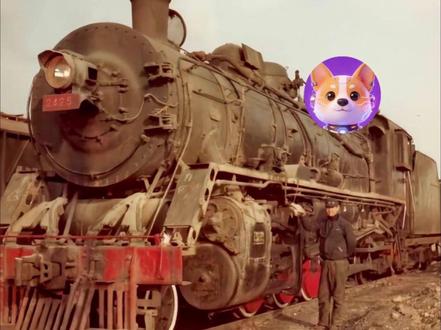 00:38查看AI文稿AI文稿
突然还在感慨,老一辈子司机要是看到现在的高铁会有多震撼?上面这辆是时速八十公里的蒸汽列车,下面是时速三百五十公里的复兴号,结果你告诉我,这两张照片里的驾驶司机 都是同一个人,含均价。中国铁路北京局集团高铁司机,被誉为中国铁路全铝立列车司机,驻铁路行业三十多年,同时速八十公里的蒸汽列车,一路开到了时速三百五十公里的复兴号中间,居然只经历了短短的十八年,一个人九本驾照,三十五种车型,硬生生给自己干成了铁路界的中门老祖了。别人开的是火车,他开出一部 中国铁路进化史,但他的经历更让我们直观感受到中国的划时代发展,这不仅是火车的升级,更是中国发展速度的生动体现。
8122数码柯基说 04:4542玥小玥爱绘本
 11:51查看AI文稿AI文稿
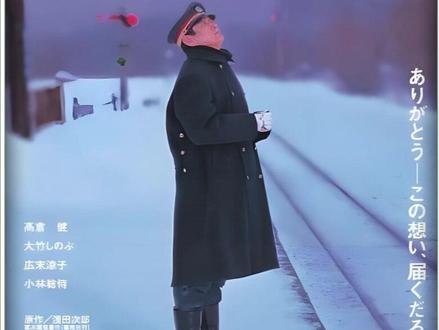
他身为一名火车站站长,每日还得亲手疏导进出站的列车,他独自摇旗又吹哨,孤身迎接三三两两的旅人,整个站台里的杂物全由他一人包揽,就连扫地擦窗也归他日常职责,只因他是位光杆司令般的站长。老高出生在这片土地,也在这长大, 在黄武车站干了一整辈子的铁路工。早年的黄武镇煤矿资源丰厚,街上车来车往,热闹非凡,可煤矿越挖越少,渐渐见了底,黄武镇也跟着一天天冷清下去,眼下就剩些老人家和零零星星几户住户。 从前那条忙忙碌碌的铁轨上,如今只能瞅见一台快绝迹的老式蒸汽火车头,来来回回的跑着,自然嘛,站台上还有那道从没消失过的背影, 好比签下了一份庄重的约定,老高的秘书跟那座常年落雪的月台牢牢的绑在了一块。而拿这份约定做代价,他接连送走了自家闺女和老婆。三十多年前的一个下午,媳妇带回一个叫人振奋的信儿,他有身孕了。 老高打小就是这么个脾性,甭管啥时候都把工作搁在头一桩,高兴恼火全部轻易往脸上挂。 可他媳妇却激动的泪流满面,毕竟这是澄清十七年头一回来的娃。老高轻抚着媳妇的头发,宽慰她说,我会像守着车站那样护好你跟咱娃娃娃。落地那天,老高跟战友心急火燎的守在卫生院,战友还打趣说,这下可美了,我都不干往那干, oh, no, go! 虽说生的是个丫头,可老高并没像战友那样显露出太多失落。瞅着窗外飘飘洒洒的鹅毛雪,他就给闺女取名叫学子。 那会站台上人挤着,人格外红火。老高在月台上忙活时,媳妇就在屋里头一边招呼过客,一边照看奶娃。因为站房的条件实在太差,到处漏风,裹在墙堡里的学子冻得烧了起来。 等媳妇火急火燎奔去卫生院时,老高却没法子陪他一道去,因为他是黄武站独一个铁路工。媳妇嘴上没吐半句怨言,可脸上那股欲说还休的无奈压根藏不住。跟着老高一声哨音,火车慢悠悠的开离了月台。他跟平日一样,嘴里叨咕着后方没啥问题, 信号灯也没毛病,通通都正常。可他打死也料不到,当天后晌就传来了学子没了的坏消息。一道响遍山谷的哨声,既是老高心头痛处的释放,也是他对命数无助的吼叫。到了擦黑那阵,老高跟个没事人似的, 照样迎着往回开的火车,可媳妇却窝在车里老半天不下车。他则问老高,你就这么挥着旗子迎那个没了的孩子吗?你连一滴伤心的泪珠子都不掉吗?老高死命压着心酸回媳妇说,因为我是铁路工,因为这本来就是我的本分。兴许老高自个都没回过味来,铁 陆公的担子在他心里早已压过所有,这股执拗劲,让他把家跟活儿的天平给弄歪了,也让他掉进了解不开的纠结跟撕扯里。第二年冬天,黄武镇出了场矿井事故,一个七岁的男娃没了独一个的亲人, 老高两口子自个儿没儿没女,就暂且把这娃收下了,拿他当亲骨肉一样看待。圣诞节那日,两口子本打算跟男娃商量正式领养的事拿他这才查出来得了某种慢性的病症, 琢磨着身子骨不太行,再加上老高活儿太忙,两口子只好把男娃托付给了旁人。过了好些个年头,男娃长成了大小伙,考上了意大利的著名学府。临出发去国外念书那会儿,他专程折返回来谢老高两口子当年的收留勤奋。 想当初这个娃的到来,给两口子添了新的欢喜跟盼头,可眼下的离别倒让他俩的晚年多了好些变数。没过多久,病得厉害的媳妇得去市里住医院,老高照旧把他送到月台上,只不过这一回,露出愧色的反倒成了媳妇。 媳妇上了车以后,从不误点的老高却迟迟不吹哨,就那么呆呆的瞅着媳妇,直到司机探出脑壳来催,直到媳妇比出拿哨子的手势时, 老高才恋恋不舍的吹响了哨子。等火车慢吞吞的开离月台以后,老高那份孤单又冷清的晚年就这么开了头,而他唯一能干的还是那句,后头没事, 信号灯没毛病,通通都正常。可就是这么一趟平平常常的送行,却又成了至亲之间的生死诀别。媳妇住院那阵子,老高一趟都没去瞧过,就连最后那一面都没赶上。他对工作的较真跟死扛到这会却显得格外无情。 战友的媳妇想不通的责问他,你把一辈子都搭进了自个的工作里,难道就不能为了你媳妇丢开一回活吗?而老高还是跟当年丢了学子那会回媳妇的那句话一个样,因为我是铁路工这行当不光跟了他一辈子,还在他命里头烙下了深深的印子,成了老高心坎里的信条。 他会揣着对媳妇的想念跟亏欠,接着在这座小站上死守下去。但是随着黄武镇的煤矿一天天耗光,当地的经济给狠狠拖累了一把,人口也跟着一个劲往下掉,这条铁路线的猜测也摆上了台面。到了大年初一那天,老高的战友从市里过来瞧他,几杯酒下肚以后,战友倒出了这趟来的正事, 可老高却打趣的回绝说,黄武县还没撤呢,我哪能当逃兵吗? 甭管战友咋劝,老高始终就回一句,等撤黄武县的正式文件到了再讲吧。次日,俩人一到去给老高媳妇上坟,战友巴拉背上积雪时猛的呆住了,墓碑上头竟然已经刻上了老高的名儿。到这会战友才缓过神来,哪怕黄武县给撤了,老高也不会挪窝,他已经备好了跟黄武站一块收场的打算,也 备好了永久陪在媳妇闺女边上的心思。旁人还在盘算往后咋走的时候,老高已经码好了自个的终点。送战友走那会,老高猛的指着这台快退役的蒸汽火车头问这玩意往后咋处置? 友说,他最好的去处是送进展览馆。老高又斗了句,把我也搁进去得了。一阵敞亮的笑声过后,两位老汉做了最后一回告别,他们相互心知肚明,这兴许就是这辈子末了一面。战友走开没多大会,老高就接到了总部拨来的电话,原来是黄武县撤销的安排,要提前动。 别说早就晓得这个结果,可他还是跟挨了闷棍似的,老半天缓不过劲来。这天后晌,老高正在月台上扫雪,一个围着红围脖的小丫头猛的跑了过来。老高从来没见过这丫头, 丫头却对生脸的老高半点不触,还把自己的布偶递给老高帮着看,接着照老高的样儿吹哨挥旗,比划着进出的车辆暗叙走。演完这一套以后,还不忘冲老高摆个姿势。瞅着丫头那股天真烂漫的劲儿,老高露出了许久不见的笑脸,要是学子没夭折,他的童年也准是这么招人疼。 这回站房里头后,老高瞧见了丫头落下的布偶丢在了站台上,还认认真真的布偶一只。 当天夜里,又来了个细红围脖的姑娘,还没等老高张嘴问,姑娘就说是来寻布偶的。老高到这会才留意到,他跟白天月台上碰见那个小丫头, 眉眼间有几分相像。老高当他是小丫头的姐姐,就把布偶递还给他,可姑娘并没急着走,还热乎的自报家门,说今年十二了,来年就要上初中了。老高原想亲自送姑娘回家,可姑娘却让他一副得意洋洋的架势 拜拜, 学子没夭折,他也 铁定想亲亲爸爸的脸蛋吧。老高心里头这么嘀咕,却发现姑娘走时又把布偶撂下了。他猛的瞅见这只布偶,瞧着特别眼熟, 七年前那个冬季,他给刚落地的学子买的第一样礼物,也是一只这样的布偶,只是布偶的衣裳不大一样,可老高模糊记得,媳妇好像又给布偶亲手缝了件小褂。至于那件小褂长啥样,天天铺在活儿上的老高并没上心, 可他对着眼前这只布偶,还是有种在哪见过的滋味。第二天擦黑那阵,站房里面又来个围着红围脖的姑娘,对方也是来寻布偶的。 老高当他是从前那俩丫头的姐姐,就热乎乎的把他让进了里间。而姑娘似乎也不急着走,还脱了外衣,主动跟老高拉起了家常。姑娘说他已经在读高中了,往后想考铁道学院,因为他对铁路上那些事特别好奇。 姑娘一边讲着,一边摆弄着老高身上的工装跟哨子,接着又跑到一台老掉牙的售票机跟前,显摆起了自个的见识。 我觉得好不容易碰上个能说上话的,老高给姑娘亮出了自个一辈子的压箱底。虽说全是跟他年纪差不多的老古董,可姑娘却个个都能叫上名号。当他翻开一本旧相册时,他倒收住了话匣子,他想听听老高的陈年旧事。 接着,老高讲起了学子,也讲起了跟媳妇的桩桩件件,话里头满是沉甸甸的亏心跟懊悔。要是学子没夭折的话,该跟姑娘一样也上高中了。 想到伤心处时,老高翻出一件媳妇穿过的红棉褂搭在了姑娘肩头,叫他别动出毛病来,末了就去月台送走了。末了,一班火车折回来时,他对姑娘的身份起了那么一丝疑惑,因为他搜肠刮肚也想不出究竟谁家养了仨丫头。等老高进了屋, 发觉这个来路不明的姑娘居然在灶房里给她烧起了夜饭。有那么一霎时,姑娘的背影恍惚间跟媳妇的身影叠到了一块,好似穿过了岁月的长廊,又溜回了从前那些暖和和的时光。这顿丰实的夜饭对老高而言不光是嘴巴上的享受,更是心窝里的福。 过了一小会,老高去接了个电话,转回身又瞅见了那个眼熟的布偶。就在这时,姑娘带着老高的帽子冲他敬了个礼。撞见这一幕时,老高猛的冒出了一个大胆的猜想。 姑娘的沉默印证了老高的猜想,而他之所以不敢亮明自个的身份,是怕惊着父亲,所以就用了三个不同岁数的模样来探望父亲,还让他瞅见了自个一点点长大的样。而老高却眼眶含泪的告诉学子, 世上哪有被自家闺女吓着的爹?可他压在心底十七年的愧意却不知咋张嘴,只好背过身去偷偷抹泪。学子似乎瞧出了父亲的难堪,他轻拍着父亲厚实的脊梁,宽慰说,因为我爸爸是铁路工,没法子嘛,倒是我没能顺顺当当长大,好好孝顺爹。 父女俩倾诉着相互的亏欠,所有的错过跟遗憾也在这会全化开了。 短暂的团圆过后,学子带着父亲送他的布偶轻悄悄的走了。等老高回过味来,一切又回到了安静里头。 桌上面的饭菜还在腾着热呼气,也证明了学子来过的真真不是做了一场空梦。老高长长的吐了口气,浑身都松快了不少,接着趴桌上写下了今日的值班记录,一切如常。 第二天一大早,等铲雪车在一片白茫茫的静默里慢悠悠开过来时,那道挺拔的身影却没有按时现身。老高倒下去了,倒在了他拼了一辈子的工位上,拿性命兑现了他对铁路工的热爱跟忠心。虽说没扛到黄武县正式收场,可在某种意义上来讲,这何尝不是一件幸事? 老高不用被上下岗工人的名头,也不用去尝下岗那份憋屈跟迷茫,而是以黄武站最忠心的守门人当中,老高最打动我的 是他有多忠诚,而是他选择以何种方式退场。黄武宪可以撤,岗位可以没,但老高给自己写好了结局,不是被动下岗,而是主动落幕。 现实里我们总害怕被淘汰,却很少想我打算怎么收场。老高用一辈子回答了,就算时代不记得你,你也要体面的守住自己认定的那件事。这种我先选好怎么离开的硬气,比坚守本身更值得琢磨。
255用情说 01:04查看AI文稿AI文稿
钢铁巨兽大男孩蒸汽机车靠水和煤拉动万吨列车内部构造,堪称工业奇迹。人类工业史上最震撼的机械美学,全藏在这台巨型蒸汽机车的每一寸钢铁之中。他不用电、不用油,仅凭煤炭和水就能爆发出碾压现代机车的吸引力, 拖着几公里长的列车呼啸前行。今天我们就彻底拆解联合太平洋大男孩蒸汽机车,带你看懂一台真正的工业巨兽到底是如何运转的。今天我们讲解蒸汽机车的工作原理。我选择以联合太平洋大男孩机车为原型,同时为了方便教学,对同时代的蒸汽机车技术做了通用性规划。 大男孩诞生于一九四一年末,正值蒸汽时代末期,他是人类制造过体型最大、动力最强的蒸汽机车之一。一九四一年到一九四四年间,总共生产了二十五台大男孩机车。 为了让你直观感受他的尺寸,我们把他和十九世纪中期的老式西部风格机车放在一起对比。尽管从早期蒸汽机到这台模型技术实现了巨大飞跃,但他们产生蒸汽动力的基础原理是完全一致的。
20科技诸葛亮


