牛场沼液处理方法

粉丝4369获赞1.9万
相关视频
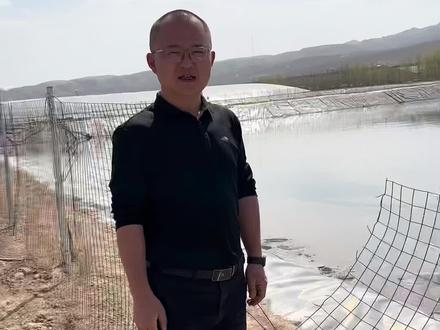 03:24查看AI文稿AI文稿
大家好,今天是二零二二年四月十号,今天我给大家重点介绍一下我们的招业还田灌溉系统,大家现在所看到的也就是我身后的这一个黑魔池, 就是我们整套工艺里面的最末端的一个环节,专业储存池。我们的分屋经过前期的液氧发酵, 最后所有的找页就全部储存在这里。我现在近距离的站在这个池子边上,明显的可以看到这个水和这个缘分比起来要轻很多, 没有那么浑浊。其次呢,这个水面上面没有白色的泡沫,还有一点特别关键,现在的这个太阳也比较大, 站在这个边上呢,几乎闻不到很刺鼻的臭味。这些现象足以说明目前的这些掌叶已经是发酵好的,百分之百是可以去还田种植的啊,也就是说呢,还田万干,我们这里 安装了两台七十五千瓦的这个抽水泵,安装了两台七十五千瓦的抽水泵, 两条一百六的这个主的污水管,通过衡阳供水的方式,把这些沼液往周边的这些田里面进行一个输送和灌溉。 当然了,这里有一个问题要特别说明,这些早夜不是每一天都往外面拍的,什么时候灌地呢?什么时候将呢? 要根据当地的这个气候条件,还有这个种植的这个特点来决定。以这个地方为例,这个地方呢,每年他只种一季啊,每年就种一季,所以在每年的春耕前的一个月, 客户就把储存在这里的找页全部出到这边的田里面进行灌溉。这些地呢 就是给牛种这个饲料,主要就是给牛种这个饲料啊,爱用的, 这里面有一个问题要给大家说明一下,因为宁夏这个地方呢,他本身比较干旱,雨水没有那么多,所以我们的这个早夜储存池就是做了一个开放式的,做了一个开放式的,这样是没有 任何问题了。如果在南方地区,或者在一些雨水比较多的地区,我个人非常建议 把这个掌叶储存池也给他再加上一个盖,把它也密封起来。为什么要把它密封起来呢?总是要严格的来导致雨水和掌叶的一个混合,如果和掌叶混合在一起了,那么 整个养殖场补水的排风量就增大了。其次呢,你抽送到地里面的找叶太稀了,肥效也没有那么好啊,所以这就是要不要给这个找叶池加一个盖,这就是因地制宜的问题。 我们的早夜还田观看系统大概就是这个样子了,大家有任何问题,欢迎随时入户交流,谢谢!
88云达环保 01:33查看AI文稿AI文稿
大型养殖场配套的艳阳工程找业产出量大,后期处理让很多养殖户头疼。今天咱们接上期视频,先说说找业去向的问题, 如果每天只有十吨找业,那我马上就能给出你三种以上的处理方法,而且简单又有收益。这个并不难,关键是量一上去,比如日处理两百吨, 这种简单的方法就不好用喽。先说达标排放,这个国家给的是有标准的,名称是续勤养殖业污染物排放标准, 感兴趣的朋友可以去查一查。这里明确规定了出水指标,咱们先从一个指标来看, c o d 小于四百,这个指标是什么概念呢?给大家一组数据对比一下。城市污水处理厂接收指标是三百到四百, 要处理到 cud 小于六十才算合格。养猪场的沸水一般能达到八千到两万这个档量, 你想想,一个是从三百降到六十,一个是从两万降到四百, 工艺选择上就复杂的多,而且需要较大的占地面积。总的来说,养殖场找业选择达标排放这条基础路线,适合实力雄厚的,最好是南方的企业采用。
44新农人李睿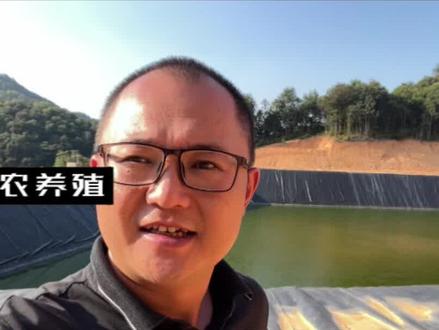 00:34查看AI文稿AI文稿
整套的分污处理工艺就是前端先进行干湿分离,分离完以后的分液全部自留到这个黑膜沼气池进行艳阳发酵,发酵完以后的找液最终回到我们的找液储存池,然后再取找液储存池的上清液进行环磷和环田。 如果遇到了一些干旱季节,然后这个枣叶的浓度比较高,那怎么办呢?我们再采用加水稀释的办法,把这个枣叶给它加一部分水,把它的浓度再降下来,然后呢再来灌溉周边的这些山林,确保分屋还田还林是安全的。
147云达环保 00:29查看AI文稿AI文稿
小叶就适合种那些根系比较发达的植物,比方说树,比方说我们叫做地瓜,你们那里不知道叫什么?就是很大的埋在地下的。比方说啊,地瓜就是那种也叫木树,就类似于那种样子啊。比方说现在在咱们北方,陕甘宁西北就种玉米, 牛场全部用掌叶来种玉米,种完玉米作为牛的这个清除料,作为一种饲料啊。土地需要配套多少呢?要结合你的每天的污水量看你能配到多少土地,这就是一个关键。
40云达环保 04:12查看AI文稿AI文稿
in california to be able to grow a forage crop you need water demand for the crops and the amount of rainfall that we get is usually not sufficient so irrigation water is number one the most important if we don't have water then we don't we don't have a crop lifestock manure is a vital resource that we can use incorporate in the farming operation with the system that we experimented with for the last three years the sdi with inducting lagoon water directly into that has provided to be you know just a huge benefit so in this particular dairy we get about 350 gallons, a minute, 24 hours, a day, 365 days, a year, so that's a large amount of water that they're using throughout the year that they want to be able to utilize the buy product after it goes through and cleans the out here in the fields what this system does it is allows you to spoon feed your crops the amounts of nutrients that does need through the drip tape, so you're able to more accurately apply so we talk about sustainability this system really closes the loop so first you know the cow will eat its feed process the feed and then waste is produced that waste gets flushed out through a wet dairy system which means they actually wash the pins down several times a day to keep it clean for the cows that water nutrients is brought into holding ponds where it's passed over an angle screen or into an area where solids are separated out from that solid separation it goes into either your secondary or tertiary pond it's more of like a tea from that tea it passes through some pre filtration into the system at that point was where we blend the affluent water and the fresh water to make the desired blend that we need to go out to the field you be utilized by the plants from there it goes out in the field on a fully automated system that's put out exactly when the plant needs it and correctly across the field from there you grow the crop you then harvest it and take it back into the cow so it's complete circle of everything being utilized on the dairy there is a meter what we call an electral conductivity sensor that senses what the salt content is basically back on the lagoon inlet side there's a butterfly valve that adjust on the fly based on that sensor and tells that how much ratio do we need to put in through these filters and then we're filtering it with your typical sammedia filters you would see in an almond, orchard or or vineyard or other permanent crops so generally we're seeing 25 to 30 percent decrease in water use 25 to 30 percent increase in our yields us using the fluent to us having to use commercial fertilizer that comes out to 200 plus 300 dollars in acre so for many years the nrcs has been funding subsurface drip systems for about a thousand dollars an acre this system they're actually gonna fund for 20871 dollars in acre this means that this system will be covered anywhere from 75 to 85 percent from the nrcs funding you know what i'm actually excited about the system i can be i don't have to be sitting here watching it monitoring it i can be on my phone with my feet up if i wanted to, but most farmers don't do that but anyway it's an option every one of our partners that joined us for the testing of this have already applied for multiple expansions to these systems as well as any farmer that we've talked to about it is already looking to put in to see if they can get the share costing to put one of these systems in their dairies, everybody wants to go to bed at night and lay your head down at night and say like i'm doing my best you know and and when when when you're putting this technology out there you're maximizing the capabilities of what you have to offer right, whether it's manure water all these resources that are are are scarce right and you want to go home and you want to feel good about what you're doing and you want to feel like you're part of the solution and this technology offers you that it's a happy plant, happy cows, happy plants that's what we strive for。
60耐特菲姆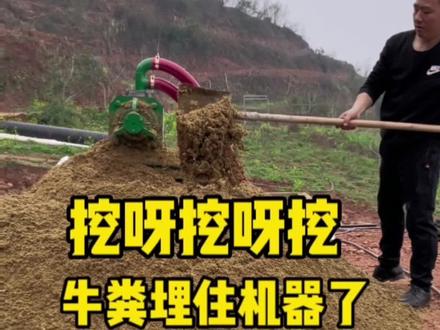 00:38查看AI文稿AI文稿
一拖一刮,粪机正在工作,运行速度缓慢,不会影响牛的正常走路,更不会伤害到牛。地面越平刮的越干净, 这是刮粪机刮入到尽头的样子,流去横向粪沟里,横向粪沟再流入到化粪池里。像风火轮的搅拌机正在工作,充分把粪污搅拌均匀,再用泵抽入到分离机里,一起看下处理的效果, 速度非常快,处理后的牛粪很干散,像锯末,直接装袋子都是没问题的。
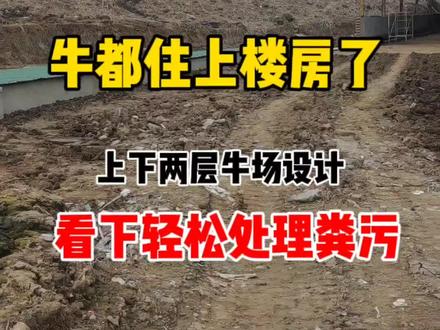 00:27查看AI文稿AI文稿
在四川育肥牛场,牛棚是上下两层,牛粪是通过漏粪板漏到第一层里边,然后用刮粪机直接刮入到化粪池里, 通过搅拌之后用泵抽到分离机进行挤压脱水,挤压过之后的牛粪就是这种非常干散的一个状态。
 00:38查看AI文稿AI文稿
存来一千头的牛场,分物处理是一大难题,这样处理起来简单粗暴,先用轻粪车把牛粪推到横向粪沟,然后再流入化粪池中。 化粪池上方架的是搅拌机,先将牛粪稠稀搅拌均匀,然后直接用抽污泵将粪污抽入到干湿分离机里,进行脱水分离。 我们来看一下,通过机器简单易过,稠乎乎的粪污出来直接变成干散状了,这样处理分污简单高效。干粪还可以进行有机肥加工或者上果天林地,转手又是一份收益。


猜你喜欢
- 1640奥蕊养殖
最新视频
- 43.6万别发狗头(收徒)