guthrie govan吉他技巧

粉丝175获赞3830
相关视频
 01:00查看AI文稿AI文稿
高玩哥教你做快男 if someone watching this wants to try something a bit different at home i think interesting exercise when you're doing something that you would normally pull off okay just to do this kind of thing and then instead of speeding it up because it's mostly guys watching this and guys want to speed things up but that's our nature right instead of that you just make the notes longer and make the gaps in between shorter so you go from two and i just think it's good for the timing what you think is every time you play a new note is that one finger has to leave the string and the other finger has to land on the string and it has to be perfect timing perfect coordination between those two fingers so if you just mess around with that for a couple of minutes and then go back 嗯, ok like the normal hammers on hammer ons and pull offs somehow it feels more precise。
1126曼森音乐 07:02
07:02 13:3976音乐类素材
 10:48查看AI文稿AI文稿
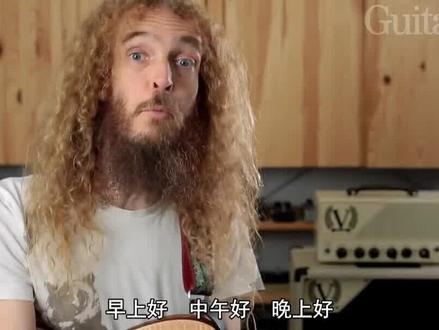
good morning, afternoon or evening noble viewers this is got three govern back for instorment number three of our odyssey into the scary but rewarding world of string bending and if you've been following this series thus far mostly what we've been doing is like the more common predictable bends that everyone does and i thought it would be good to expand a little on that explore some of the less obvious things that you can do with this also useful technique so let's start maybe with an old favorite of every blues rock player the unison bend this is all about playing the same note in two different places so you're bending up to a certain pitch on one string and having a static version of the same target pitch on another string so if you're playing blues and e as i sincerely hope you do from time to time and you might be coupling this note with this note and gearbuffs may wish to take note of the fact that i'm now using the dirty channel of the victory v30 amp。 because it allows the overtones of the notes to sing out a little more and for something like a unison bend the is beneficial unison's ben sound good because there's a moment during the journey of the bent note where it's not quite in tune with the real note on the string next door and you hear these two pitches that are almost the same kind of fighting each other if i do it slowly you can hear the beating you might even hear depending on which speakers you're using to listen to this you might even hear a ghostly third note that i'm not playing which goes down in pitch it's that filthy disgusting sound that makes unison ben's so fun to play so that's two basic places you can do that would be here and maybe on the g and b strings because these two are tuned differently it's only a major third interval between the g and the b the shape can contract a little bit so if you wanted to expand somehow on that and i put this before you as a kind of mindset to adopt when you're exploring any tar technique you might ask yourself what if i bend this further the way? what would steve i do and certainly one thing i've heard steve do within that kind of unison ben box is to bend beyond the target pitch so instead of this which you can break up into individual notes he might bend up to the next available scale now so that's probably the most painful band we've done in this series so far that's two whole tones let's go that far, but as we touched on in previous episodes as long as your finger is going underneath the string and you're using the whole bulk of your finger to support that bend and stop the string from slipping away like that you can do it believe in you or you could even go one further and bend up a whole perfect fourth so from this note for this note if you're steve lucatha fan you've probably heard similar examples of unfeasibly large bends for instance in the fade out solar solo in rosanna, which i will not replicate for legal reasons but well worth checking out if you haven't heard it one of those timeless guitar moments and some big bens going on bigger than you would expect within a familiar blues box framework lesson number one bend further than you thought you were going to bend and see what's there the important thing is that you'll target where you end up when you finish bending is actually a note of musical significance so you need to use these unfortunately as soon as you bend a string looking at the fretboard will no longer guide you and you have to just use your ears to decide whether you your current pitch is a worthy one or not so what else can we do if you're okay with a with a big bend like that you might want to explore the dave gilmore territory or stopping off somewhere in the middle of the bend, i sincerely hope everyone is familiar with the brick in the wall solo and again i will not attempt to replicate the whole thing, but there's one very famous band but does that kind of thing and is basically the same two tone big bend, but i'm deliberately kind of stopping off for a moment so that you can hear so basically i'm playing this melody sorry that happens sometimes, so if you're familiar with that bend a smart thing to do is to decide what scale it comes from and then explore all the different diatonic variations assume for argument's sake that comes from the d sorry the e dorian mode which is feasible and so, and because these are pretty fiddly bends it makes sense to find a string where they definitely work and then just stay there and kind of explore by moving in this dimension rather than gluing yourself into one scale box where some of the strings might be a lot harder and so applying all the d dorian notes and for e dorian notes and i might take this and then see what happens if i i start on this note needless to say bending becomes more of a challenge as you approach the nut the string feels a lot more tight around there so maybe you need to figure out where your cut off point is you know the fret beyond which you dare not go when doing these kind of bends it doesn't matter where the fret is and it just matters that you know so that you don't attempt to do something in a live situation, which is gonna backfire horribly, so whether your cut off point is there or here doesn't matter there's no shame in any of this and it's also very dependent on how your bridge is set up and what the gauge of your strings might be and how tall your frets are as a random aside i find a tall fret make it a little bit easier to do these big bends, because you can get your fingertip kind of inside a little bit more so the next thing you could do if that one wasn't difficult enough is because it was similar thing but visit the same halfway point not only on the way up, but also on the way back down and definitely the hardest note for any of these frets where i'm doing that basic trick here's the half waypoint on the way back down because your fingers instinctively just want to release the bend completely and what you have to do even though what you're here is the note steadily coming down in pitch and stopping at this halfway point what you have to tell your hand is it you're still bending up you still have to apply some resistance to the string and really the trick is your wrist your wrist kind of tilts when you do these bends so it's like that your wrist will stop at a predetermined point halfway during the bend if i do this maybe you'll see it better i hope so i'm gonna stop sitting like this now because it's uncomfortable and demeaning right back to a more dignified posture that's something for you to explore if you want to test your muscle memory and since being something of a recurring theme throughout all of my ramblings in this series test how well you know this stuff and how confident you are that you're gonna hit the right pitch this is the trick you can use your pick um sorry to conceal the part of the strings journey where it's actually being bent so in other words my threating hand is doing this but what i want the listener to hear is just the melody and none of the in between stuff that's connecting the note so i can use the pick to keep the string quiet while i bend up to where i think the next pitch is and then keep it quiet again i bend it up some more like that so i think you could keep yourself busy for quite some time just picking different modes of the major scale in different keys and exploring how you can apply that kind of step to bend idea and i leave you with this chilling thought you can even go one step further we started out doing the stuff with minor pentatonic scales then we did the diatonic thing you can apply something similar to the chromatic scale which of course is the one with every note in it chromatic scale you gotta love it so for that one you might start just exploring just one fret and then two frets all three for us well four frets or bully this madness has to end soon 嗯嗯 i'll stop there i'll quit while i'm ahead you get the idea that one's a really good test your ear it's not the most common approach not the most common application for string bending, but i think it has a certain validity maybe you'll find a use for it maybe it's yeah i just have some fun don't hurt yourselves and i'll be back with more of this nonsense got three signing out cheers。
620冰果吉他 13:3928律动音乐
 01:42查看AI文稿AI文稿
gasri govern 靠耳朵听成的吉他大师 gosri govern 是一位英国吉他手以及教师,除了以个人吉他手的身份为人熟知, 同时也有着 dearest、 credits、 age、 gps 等乐队作品,并与 steven wilson, hunt zimmer 等大师进行过合作。多次来花演出,让我们也有更多机会面对面地感受他的演奏技术以及他的个人魅力。 一九七一年生于英国伦敦,在他三岁那年,在父亲的鼓励下,他开始接触吉他演奏。但 govern 的学习几乎是完全靠听来进行的,他的父亲一开始交给了他三个和弦, 然后向他展示了自己的唱片收藏。于是 govern 开始经营在五十年代的摇滚乐里,从 little richer 和 jerry lilius 到 beetles, frank sapper, a c d c gasri golden 聆听了大量的经典音乐。 golden 非常注重于听,不仅仅是听大师,听经典,更重要的还有听自己。我们常常听到有人说你要多听听自己的录音, 这是因为太多马虎的演奏者过于陷入自我陶醉,只用自己的大脑来脑补自己的演奏,导致忽略了许多真实存在的问题。 只有认真聆听自己的演奏,才能更好地提升自己。 gatri govern 作为吉他手,最令人印象深刻的一点就是全面,无论是任何风格,他都可以游刃有余的驾驭。 虽然他并没有在商业市场里大肆挥洒自己,但他毫无疑问已经成为了其他领域里最受敬重与认可的大师之一。而未来,他一定还会给大家带来更多精彩的作品。


猜你喜欢
最新视频
- 3166最爱喝豆奶