this is the vibraphone compared to most of the rest of our percussion instruments there's quite a bit of technology the first is the pedal and the pedal acts rather like a piano pedal, it sustains the sound of the instrument if i don't use the pedal, it's rather a dry sound like this, but with the pedal, we can sustain the notes i can use two mallets or four mallets occasionally composes ask for more, but two or four is the normal amount if i use two this just a melodic instrument and with four of course i can play courts and the other piece of technology on the instrument i think is very interesting is the motor and the motor turns a series of fans and as a fan under each note and underneath the fan is a resonating chamber and the fan alternately opens and closes the resonating chamber so you get a vibrating effect hence the name fiberphone if i don't use the motor this is the sound, but if i switch the motor on i rather please you sound i think you'll agree the instrument was invented around about the nineteen twenties, but since then composers contemporary classical composers in particular have tried other effects and one of them which i think is delightful is the use of the bowed vibraphone this is a cello bow, but a double base bow will work just as well and you simply draw the bow across each note so rather beautiful instrument and rather versatile too this is as i'll a phone probably the most recognizable of our tuned percussion instruments the notes are made of wood and the instrument is nearly always played with hard mallets you'll hear that in a moment the lowest note is down here and the highest one is up here this is a four ox of instrument probably the most common of the ranges and the notes are arranged like a keyboard with the accidentals here and the naturals down here it's most often used as a melodic instrument it occasionally composes askers to do a glissando, but one of its chief characteristics is its ability to cut through the most dense of orchestral textures so very interesting in a very characterful sound this is a merimba probably the largest of our tuned percussion instruments this particular one is four under third octaves the highest note is here and the lowest note is here, but there are many instruments that go even further than that five octaves rather like the xylophone, the notes are made of wood, but unlike the zylophone the mallets that we use are nearly always soft mallets and the way we sustain a sound on the merimba is by rapidly doing a tremolo with the two sticks and sometimes we use fourth to provide core effects and often the instrument is used melodically a beautiful sounding instrument particularly at the lower end of the instrument at the top end of the instrument perhaps not so resonant the glock and spiel or orchestral bells as it sometimes known is traditionally a series of metal notes from small up here to large and manufacturers more recently have introduced resonators and a pedal to help sustain the notes, but always played with hard sticks compared with a vibraphone which is soft mallets it can be used very delicately or more forcefully so again a very versatile, sometimes charming sometimes forceful instrument but no matter how it's played will always cut through an orchestral texture this is a bass drum, a traditionally a military instrument and most commonly used in military circles with a pair of symbols, but it's not only for military purposes it's been used in the twentieth century sometimes it can sound rather more mellow and quiet we only ever play on one side of the bass drum the other head is as a resonating device for this playing head and sometimes to sustain the sand we need two mallets and we can create some quite interesting crescendo effects with them occasionally composers ask for different kinds of mallets here's a hard mallet for example and because it's quite a resident instrument i sometimes need to damp the head with my hand and sometimes we're asked to play with an even harder stick this is a hard plastic stick so an instrument that can be quite frightening, but also really quite a strong foundation for the orchestral texture the tam tam had its genesis in the far east and it's a very simple instrument in many ways, it's a large piece of beaten metal quite thick this one's about thirty four inches across and we play it nearly always with a large soft mallet like this one i think what's interesting about the tam tam sound is the weight develops it actually grows after you've struck it, and we can capitalize on that by sustaining the sound with repeated strokes quite gently and create really some quite extraordinary crescendo effects and composes ah in the search for new sounds, new song minorities are asking us to play with different kinds of mallets this is a plastic stick and the triangle stick rubbed around the edge of the tantam is also a very interesting sound one of the most special sounds i think in the orchestrate comes from its enormous range of frequencies from very low to very high these are snare drums sometimes called side drums and they're called side drums because they were traditionally played at the side of the body in military circles along with the bass drum and the symbols that were used as marching instruments, but today perhaps were more familiar with them as orchestral instruments or as part of a drum kit we have three different sizes here this is a tenor drum that's a quite different instrument i'll speak about that shortly three different sizes for reducing three different pitches, but all really producing the same effect we can play with snares off in that way or with snares on and the snare on is a different kind of a sound it adds a different kind of christmas to the sound here's the snare off and here's the snare on and we can sustain the sound of the snatch i'm using the sticks alternating them bouncing them one to the other here's a roll that's what we call it here's a roll with the snares off and with the snare on the tenor drum doesn't have a snare it's always played without a snare, it's quite deep compared to the snare drum somewhere between the snare drum, side drum and the bass drum, but perhaps the snare drum is most familiar in a marching type of context symbols have probably the longest history in all our percussion instruments they're mentioned even in the bible in salma, hundred and fifty for example and they're very familiar to us now as part of an orchestral section they're very simple they produce just a single sound, no pitch, no harmony they can be played like that rather loudly and with a long note or they can be played quite, quietly and quite short as well to do that i'm going to damp them against my body sometimes composers like other effects from a pair of symbols the sound of a pair of symbols being slid we use a coin often, but it perhaps looks more effective to see the symbols, themselves being slid once one against the other, but possibly one of the most memorable moments in any symphony orchestra concert will be that site not very often of a symbol player playing that single large loud symbol crash sometimes symbols appear as a single instrument the suspended symbol often used with a single soft stick sometimes with the pair of sticks to produce dramatic crescendos and diminue enders, and sometimes with a wood stick which can be quite shorter charp or quite long, or we can play in different parts of the instrument on the dome right at the edge or somewhere in between the two so a remarkably simple instrument, but without parallel in its effectiveness the triangle is exactly what it says it is it's a triangle of metal it's open at one corner to allow the instrument to vibrate and we can play it with quite a thick stick rather like this or quite a thin stick like this or even occasionally with a wooden stick to sustain the sound we can do a tremolo in the top corner or maybe the side corner of the instrument like this and i stopped the sound simply by holding the instrument like this very often in a an orchestral situation the triangle player may have to wait many many minutes before he or she plays with a long gap before the next note, but nevertheless those triangle notes are all important and worth waiting for crotiles or antique symbols as i sometimes known made their way to the west in the nineteenth century in a wave of interest in exotics from the orient and the middle east they're quite heavy to play they're surprisingly so they made a quite thick metal and they produce quite definite notes we always strike one against the other in that way, i have another pair which is rather lower in pitch debucy use these two pictures in one of his works and i've got just two pairs here, but often we see whole chromatic octaves of these instruments many modern composers like to use them in that way beautiful sound delicately played the tambourine is really a hand drum with jingles and even today in the middle east in egypt for example they're played like this there of course are much larger and much more ornate, but they provide the same effects arithmic background to an ensemble and the present day orchestral tambourine can be very loud indeed or can be very quiet indeed we can sustain the sound by shaking it and another way we can sustain the sound is by licking our fingers to provide friction as you rub round the edge of the instrument。
粉丝3.0万获赞100.8万
相关视频
 03:02查看AI文稿AI文稿
好,大家好,我是那个中国安岳乐团的打倔生物长马平。好,下面我就把谭顿所做的慈悲颂这首乐曲中所用的比较特殊的打具乐器向大家介绍一下。大家看到的这是一个塑料的 透明的水盆,里面放了很多水。在这首作品的第四章的开头,呃,我们的打卷演奏员将用这两个塑料杯子在这个水面上拍,打完了拍,打出节奏,大家听听是什么效果。 好,这是这么一种效果,非常有特点。呃,很独特的一种啊,这个创作手法。下面呢 第二种乐器呢,我将介绍,这个叫英文叫沃特凤,咱们就叫水琴,对吧?来演奏,你可以演奏一下,看看水琴是什么声音, 里面放有水。 那下面最后一种乐器是,呃,先管理过来一下,是这个乐器,这也叫沁,他也叫那个谈论在那个乐器标注上写的叫西藏 阴婉,其实叫庆,也叫庆,正常的应该是拿那个锤子在上面敲敲击,演奏在团队所要求的是用这个弦乐的公子来拉奏,拉出他的那个共鸣。 哎,发出这么一种声音。 好,呃,慈悲颂将会给大家带来一场呃,不光是听觉,而且是一场视觉的盛宴,敬请期待。
3488中国爱乐乐团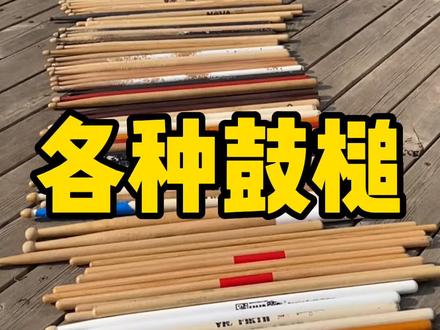 02:53查看AI文稿AI文稿
打击月千千万,大牛带你一起看!今天带大家看一看我到底有多少种群! 大螺旋 电音、五醇 古典小鼓锤、 行进古城 架子鼓锤 颤音、清纯 马力八锤 鼓刷子、 三角铁锤、 瓜鱼唇 筷子, 还有我的大厚嘴唇。那很多人就要问了,大牛你怎么能有这么多鼓唇呢?因为 我是汉琪的代言,所有五锤不要钱!
6.8万大牛玩音乐


猜你喜欢
最新视频
- 75.4万81