
粉丝1.4万获赞5.8万
相关视频
 06:06200山西大山
 00:48
00:48 02:28
02:28 01:07查看AI文稿AI文稿
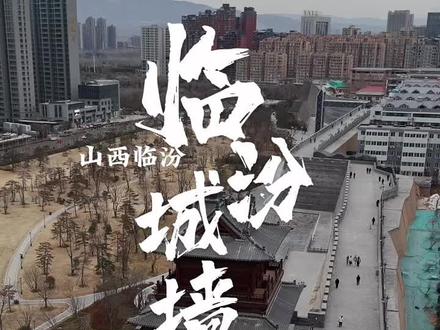
linfendrum tower is also named pianondrome tower and has served a dissemble of linfen it's stand in the exact center of the downtown area world, north, south waste and east street meat there are four inscriptions elite on the arch of the gate they are 东林雷霍西控河焚南通行,蜀北达幽并。 three meter of the base of the drum tower is one hundred and sixty meters and its highest is forty three point seventy six meters making it the highest drum power in china there is an ancient bell built in eleven eighty four which way is around two thousand and five hundred kilograms the drum tower had a square shape and show stairs and exteriors even decorated was networks of wood arches welcome to my hometown 临汾!
332沃而特 03:01查看AI文稿AI文稿
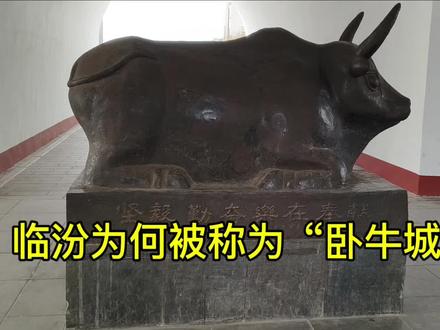
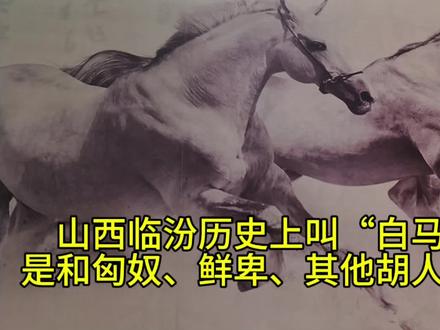
北魏时期,临汾城因行白马而铸城,得名白马城一直到隋开皇三年。隋文帝阳间因平阳之阳与阳字同阴,因而改平阳为临汾。 此后临汾古城在战乱、地震和自然损毁中不断建新修旧,规划扩张,至唐代时,这座千年古城迎来了一个全新的称谓。 唐代开始重修李凤城的时候呢,在这城里死角要卖这个,要卖牛,牛,这个是为什么要卖牛呢?古代这个是神话传说呢,牛可以呢,是振飞,呃,护城, 飞这个为了把这个烽火飞,这个是飞在珍珠,从此以后呢,又叫哦,蜗牛城。易经有云,牛向坤,坤为土,土圣水, 所以古代多以牛作为镇水神兽,而蜗牛更加隐忍,被埋入地下,从此便与古老的临汾城同步呼吸。 他记忆着临汾的始脉与传言,凭借宽广而深厚的阅历,成为千年沧桑的历史见证。 实际上在历史记载呢,有三次被挖出来,但是三次又被埋下去,第一次是这个梁开平二年,当时挖出来这种牛以为特别的吉祥,所以又富了,碑文又圆而不 不动的又埋下去。在这个一三七三年朱元璋统一全国之后呢,他家住这个城池的时候又挖出来,当时呢又原封不动的又埋下去。 临汾城自古是一座易守难攻的鹦鹉城池,蜗牛县市被认为是退敌之项,召被原封不动的妥善埋藏,直到一九七七年第三次被发现, 这一年有人在城墙东北角取土时挖出石峡蜗牛再次被发现,这只蜗牛从此便收获了长久的自在。 如今这只铁蜗牛珍藏于临汾市博物馆,千百年过去了,贤士自在的模样 未曾改变,临汾城中众多的蜗牛造型成为了他的化身,安然守卫在临汾的大街小巷,传递着坚韧不拔、开放包容、勤劳智慧的临汾精神。 他们敦厚可爱的样子也深深烙在临汾人的心中,成为一份炙热的乡愁慰藉。
36《魅力临汾》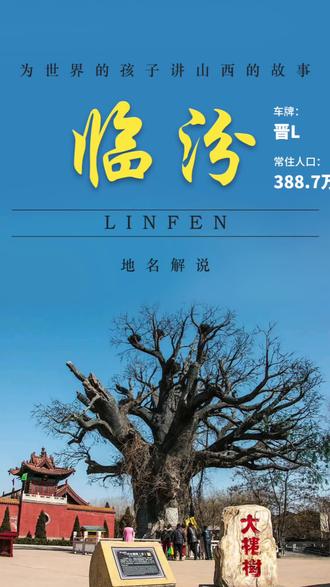 05:03163地名解说
 09:20454山西大山


