瓶子怎么烧扁的
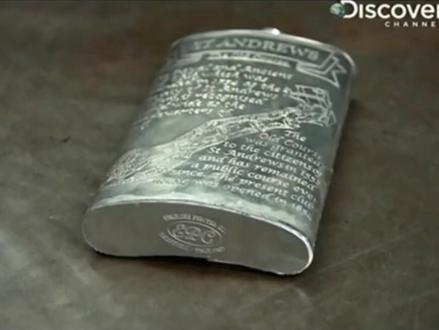
这是十八世纪在欧洲一度非常流行的一种酒瓶,他的全身采用白银或者白蜡制作而成,时至今日,他的单个售价仍然可以售卖到五百元左右。制作他首先要利用切割机把一张白蜡板裁切成长方形的毛胚,然后再把毛胚平铺在一张有花纹的铜制板上, 接着再将板子和毛胚一起送进滚压机。通过滚压后,铜制板上的设计图案就会转印到白蜡板上。然后他们会把印好图案的毛胚放在油压床里,他的里面装有一个塑造扁平形状的冲,只需要一次压制,冲床就能把毛胚塑造成半个扁平的形状。 接着再把毛坯转放到旁边的另一台冲床下来,将毛胚边缘多余的白蜡修剪掉。他们会重复上述所说的整个流程,通过一样的方式来制造出另一半的扁平,然后就可以将这两块焊接在一起,形成一个整体。工匠首先会用器具加热毛坯来让白蜡具有延展性,然后再把它包在一个 扁平形状的铝块外面,接着使用木锤将结合处的边缘敲打平整,最后再把其中的铝块拿出来。接下来他会用纯焊锡顺着结合处开始进行焊接。与此同时,另一台冲床上正在冲压出另一种尺寸的白蜡板,工匠会拿着他去焊接到扁人的顶端, 完成后,他会用工具手工将其裁切出正确的尺寸。接着开始焊接的是用来安装瓶盖的螺纹瓶口。 在将长方形的白蜡板焊接到扁平的底部之前,他们会先在白蜡板上压印出制造者的商标,然后还需要在扁平的底部粘上一层铸溶剂来使其在焊接时不会结块,让整个过程可以平顺的进行。 工匠会使用跟顶端一样的处理方式来完成焊接和修剪的一系列工序。接着他还会用钻头在瓶口钻出一个洞来用于盛装和倒酒。接下来就是研磨和抛光等工序了。他先会用研磨袋将所有 的接缝处完全打磨平整,然后交付给下个工位的工人。向瓶内注水,这不仅能检查出他们是否会发生渗漏,同时还能达到对内部冲洗一次的目的。随后,他们会在螺纹瓶口上悬上同样由白蜡制成的瓶盖。接着,每一个瓶子都会依次来到抛光师的手里。他会使用布伦和浮释粉去除掉表面上任何不完美的地方。 一旦抛光完成,他们就会进入清洗机清除掉残余的腐蚀粉。最后,为了收尾,他们还会迎来最后的一次抛光,直到瓶子的表面呈现出跟反射镜一样的闪光为止。自此,这种瓶子就可以提供给一些小众人群使用了。
粉丝74.5万获赞717.4万
相关视频
 01:55
01:55 01:08查看AI文稿AI文稿
为什么这个瓶子可以压的这么的瘪啊?那昨天呢,有一个观众说,因为燃烧消耗了里面的氧气,那么氧气不是只占空气的五分之一吗?但是这个压瘪程度可远不止五分之一啊,那么是怎么回事呢?今天呢就画图给大家解释一下。 我把这个瓶子画到这个板上啊,我们来看一下,这是它的火焰,火焰燃烧起来之后,瓶子里的气体是不是就被加热了?那么气体被加热的话,我们知道会热胀冷缩,那瓶口是打开的,所以很多气体就会往里面 跑出去,对吧?好,跑出去了很多的气体,然后接下来一个步骤,我是不是要把这个瓶口给它封住了哈,封住了之后,那这里的火焰它就灭掉了,灭掉了之后它就不热了,不热就变成了 冷了啊,那他也变成冷了之后,那他是不是也要往回缩?那么再加上外面的大气压的作用的话,所以他被压扁的程度那当然要大于五分之一的了,因为他有两重原因,一重原因呢是里面的氧气被消耗掉了,另外一重原因呢是因为热胀的时候,很多气体就从瓶 门口跑出去了,那么关闭冷缩之后,这些气体是跑不回来的,那么我们今天就讲到这个小原理啊。好,下期再见,拜拜。
10葭尔妈妈是老师 00:12
00:12 00:42查看AI文稿AI文稿
今天用一个视频验证大家的存在,打开瓶盖点火, 赶紧盖住,哎,你看瓶子马上被压扁了, 那么瓶子为什么会被压扁呢?其实我们都知道燃烧是需要氧气的,里面这张餐巾纸在瓶子里面燃烧的时候,把里面的大部分氧气都给消耗完了, 瓶子里面的气压就会变得很小,而外面是有一个大气压存在的,大气压的大小不变,里面的变小,那可不就要向里压,那么就把它给压扁喽。好,我们今天视频呢,就到这里了,拜拜。
15葭尔妈妈是老师 00:42查看AI文稿AI文稿
究竟是谁施展了魔法让饱满的水桶变扁了呢?我们通过实验来观察一下。首先朝着水桶内部均匀的喷上几下酒精喷雾, 接着用打火机点燃一张纸,将其放入水桶中,我们发现桶中的酒精喷雾被点燃,然后用手将桶口严实的堵住,我们发现原本圆润的水桶竟变得扁了, 原因是酒精燃烧时会消耗桶内的氧气,堵住桶后,桶内的气体得不到补充,致使桶内的气压变小,外界的气压大会把桶压扁。撤走手后外界的气体进入桶内,桶内的气压变大,桶又恢复原状。
53张勇老师讲物理 02:03查看AI文稿AI文稿
在易拉罐中注入少量热水, 立即用橡皮泥封住罐口,让易拉罐冷却,观察易拉罐的变化。 冷却后,我们观察到易拉罐变瘪。 把水倒入玻璃杯中, 把硬纸片覆盖在杯口上,将杯子倒置。 松手后,我们观察到纸片和水都没有掉下来。 上述两个现象说明大气对处在其中的物体有压强,这种压强叫做大气压强,简称大气压。
 01:24查看AI文稿AI文稿
哎,小朋友们大家好,我是你们的马老师,今天呢,马老师带来了一个什么饮水机筒,那么请问你们能不能把这个饮水机筒给它拍扁呢? 好,看起来非常的坚硬啊,看起来很困难,那么今天我们利用科学原理来轻轻松松的把它拍扁。好,那么首先第一步我们需要往这个桶里呢倒一点酒精, 第二步啊,给它摇匀,兄弟们,让我们嗨起来好吗?让我们一起摇啊, 一起摇啊,好,接下来就是见证奇迹的时刻, 呜,那么刚才为什么老是可以一掌把它拍扁呢?其实利用了大气压的原理,呜,刚才里面着了一个熊熊的火焰啊,把里面的气体燃烧殆尽了,这时候我用我的手掌拍到这个瓶口内部的气压小,外界的气压大, 所以说呢,我利用大气压就把这个桶给压扁了,这就是我们未来要学习的气压差,那么虽然实验很酷炫,大家也看到了,这个实验还是比较危险的,小朋友们在家千万不要模仿。
 00:58查看AI文稿AI文稿
我们用力去给瓶子一个力,会发现此刻水柱上升,那通过水柱上升啊,我们就知道此时我们给玻璃瓶的力已经让玻璃瓶产生了形变, 那松手,水柱回落,用力,水柱上升, 所以不管是我们肉眼去感知到多么硬的东西,只要是有力作用在他身上,那么这个物体是一定会产生形变的, 这也是我们在初二课本当中学到的,力可以使物体产生形变。
 04:59查看AI文稿AI文稿
long before the plastic water bottle there was the hip flask carried in a pocket or strapped to the waist or hip unlike a water bottle or earlier canteen the flask was used for carrying a very different type of thirst quencher, a couple hundred milliliters of hard liquor in the 18th century, it became quite fashionable for well to do europeans to carry elegant flasks crafted from silver or pewter today flasks are typically given as gifts often engraved with monograms or messages pewter is an ideal metal for flask making because it's so malleable they begin with a sheet of raw pewter that's about two millimeters thick with a guillotine cutter they slice a rectangular starting piece called a blank they lay this blank onto a copper plate which has the flask decorations on it in raised form, they feed the plate and blank through a rolling press the compression stamps the design into the malleable putter next they place the imprinted blank in a hydraulic press outfitted with flask shaped forming dies in a single strike, the press shapes the blank into half a flask they transfer it to a trim press and clip off the excess putter around the perimeter, they repeat the entire process to produce the other half of the flask then solder the two parts together they shape certain stuff styles manually a metal smith heats the blank with a gas torch to make the pewter pliable then wraps it around a flask shaped aluminum block he hammers the adjoining edges flat with a wooden mallet and removes the block he fuses the edges by running a line of pure tin solder down the entire length of the joint meanwhile on another press workers stamp out pewter sheet rectangles the metal smith solders one rectangle to the top of the flask then cuts it to the right shape with jewelers scissors next he solders on a pewter thread for the cap before fusing a putter rectangle to the bottom of the flask he stamps it with the maker's mark then he dabs the bottom of the flask in flux a chemical which helps solder runs smoothly without globs then just as he did with the top he solders on the bottom then contours it next he puts a drill through the cap thread and bores a hole for filling and pouring then with an abrasive belt he grinds all the solder seems flat making them barely noticeable workers now fill the finished flasks with water to check for leaks and rinse out the interior then they screw a pewter cap onto each thread now a buffer takes over with a cloth wheel and pumis he removes any surface imperfections such as marks left by the abrasive belt they used earlier to grind down the solder seams once the buffing is complete the flasks go through a dishwasher cycle to clean off pumis residue then the finishing touch a polisher shines up the pewter until it has a reflective mirror finish they pour out whatever water still inside emptying the flask for its new vocation unlike the flasks used to conceal liquor under clothing back in the days of prohibition these modern day pewter flasks are meant to be seen and treasured。
15夸克hk


