粉丝7034获赞5.4万
相关视频
 03:20
03:20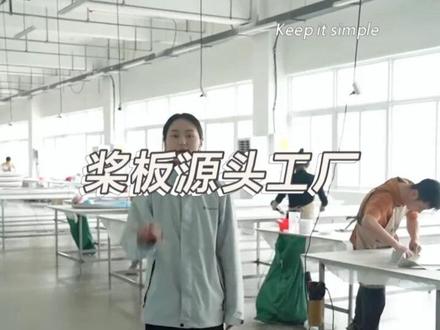 01:50查看AI文稿AI文稿
天呐,在我身后竟藏着一家年产值超过五千万的奖板源头工厂店,面积呢也是达到了惊人的一万平方米。这边呢就是我们的生产车间,今天就带大家了解一下我们的奖板是如何从零到一生产出来的。首先第一步, 我们原料到货后,先把面料裁剪,我们采用的是全自动裁剪机,这样尺寸更准确,对位更精准,无毛刺效率高。先按版型切割上下片, 侧边片,加强片把手位尾齐位。第二步,要印刷图案制作,我们采用的是抗 uv 高端撕印技术,去印刷 logo 图案,这样色彩更牢固,位置更准确,而且无气泡,耐刮擦,提前印刷可以避免焊接后变形, 这就是我们印刷好的成品了,现在就到了 uv 打印车间了。 第四步,手工拼接第一层,和服条。 第五步,拼接化妆条,化妆条是整张板子的第二层,亲密性可以保证更好,而且更耐磨,更耐刮。第六步,我们进行配件装饰, 其中包括尾旗、弹力绳、地环把手、防滑垫、气嘴。到这一步呢,讲版已经制作完成了,下面就给大家打包, 所有的订单都已经配备完成,接下来给大家封箱发货。以上就是讲版从零到一的生产全过程了,以后我也会通过小视频跟大家科普更多的知识,这个夏天还不赶紧动起来。
 02:19
02:19 02:41
02:41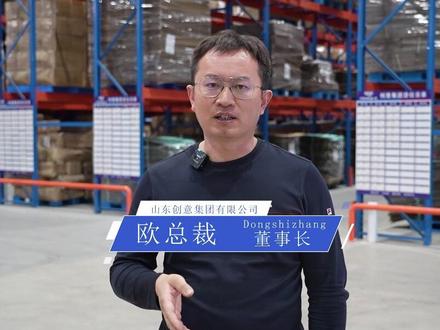 03:29查看AI文稿AI文稿
大家好,我是欧总裁。很多网友问我讲版是怎么生产的?我今天我就揭露一下一个讲版生产的全过程。一个小小的讲版看起来很简单, 但是讲版的配件以及原材料就是几十种。我们这个五千五百平米的仓库,全部就是用来存放讲版的原材料跟配件的。 我们公司的讲版生产 正在从手工到机械化跟自动化的一个转型。用机械化、自动化生产的讲板,不单流程更加标准,并且出的产品进度相当高,而且会省很多的人工成本。讲版生产的第一道工资 裁剪设备是由我们公司自主开发的,我们现在裁剪已经完全达到了自动化。用自动化设备做的讲版精度高,误差小,并且一个人能独立操作几台机器。第二个步骤是图案打印。你见到的所有的讲版图案都是在这个工区完成的。我们公司的图案打印是由专业的 uv 设备完成的, 这种因为设备做的图案不仅刺挠度非常高,而且抗老化、抗氧化、抗紫外线,多少年都不会变色。我现在所在的工具是和服,这个工具是把裁剪完、打印完的拉丝料进行一个封边。 从这个误区下去的讲版就可以初步充气,初步成型。呃,这道工序是修理,他是把和服成型下来的讲版充气做检查,并且对漏气的进行一个修理。 呃,我们目前用的方法是刷泡沫水,是一个最传统最原始的方法。目前市场上有很多方法,凉气压法呀,还有什么进水法呀,但是这些方法我们测试过都不稳定,我们现在用这个方法就是合格率最高的方法。这个误区是化妆。从修理检验合格的讲板到这个工区来 做一个围边加强。围边加强第一个作用是非常美观,第二个作用是抗磨防撞。这个工序是高频工序。我们公司的讲版,所有上万的地环啊,以及把手啊、尾舵 这些都是在这个工序上用机器化完成的。你可以比较一下我们公司的讲版配件在讲版上非常漂亮,而且还有立体感,特别结实。这个工序是装饰,这个工序就会把所有的配件、尾舵以及沙发垫 安装到讲板上。从这个工序以后的讲板基本上就属于长品了。这里是讲板生产的最后一道工序包装。在这里会对工厂生产的所有的讲板进行一个检查,确保每一个讲板达到质量标准。然后把达标的讲板 呃放弃折叠,跟配件一起打包、装箱、封箱,最后再入库。 当然了,不同类型的讲版生产过程也并不完全一样。整个生产流水线我们都是用智能化、数字化的麦子系统进行管理。每一个下线的产品都有自己的身份 id, 将来这个产品的所有信息是生产的当天的温度、湿度, 以及用的什么材料,什么配件,什么批次的都在这个 id 号里面。将来产品离开工厂以后,有任何问题,我们的售后人员都会在第一时间查到。创意只给你最放心的产品。喜欢户外的朋友关注欧总裁。
394欧总裁 01:58查看AI文稿AI文稿
滑浆板是一项非常流行的运动,他们已经存在了三千多年。可靠的浆板更适合休闲和竞赛。今天就带你看看这种浆板是怎么制作的。这款浆板有以吸机树脂和层压玻璃纤维制成。 首先,技术人员在浆板模具上涂上脱模剂,使表面变得光滑明亮。之后将玻璃纤维模板和散热片安装在模具上。工人使用气泵系统将以吸机凝胶涂层与硬化剂一起喷涂在模具上。他用一个米尺测量甲板的厚度是否均匀, 然后将一块玻璃纤维片覆盖在凝胶涂层表面,并用剪刀剪下纤维片,尽可能的使玻璃纤维片变得紧实。 接着用油漆涂抹在玻璃纤维片上,让他与凝胶涂层融合在一起。之后,技术人员用滚子推出气泡,他将油漆应用在第二层玻璃纤维上,来加强浆板的结构完整性。另一位技术人员将模板安装 在电路板上,并用铅笔描绘处手抓支架的轮廓,然后使用电锯在玻璃层压板上切出一个凹槽,用于安装手抓指甲。工人用以吸机树脂涂层,将手抓支架的底座固定在凹槽上,二十分钟后层压板会变硬。 接着技术人员涂上粘合剂,将管子固定到位。工人为绳索安装了一个夹板,这可以在浆板上手动控制毛,然后在上面涂上粘合剂,并将膨胀的聚丙烯泡沫放置在甲板内部。他们将用于支撑浆板上船员的重量, 使将板变得更轻。工人从将板上取下模具,并使用金刚石切割机修整掉多余的层压板,然后用错刀将泡沫打磨平整, 确保甲板的船体和夹板之间尽可能紧密的贴合在一起。他们在上面涂抹上膨胀泡沫粘合剂,然后将甲板放置在泡沫上,粘合剂会将他们快速的粘合在一起。设计师在侧面用螺丝 将甲板和船体固定在一起。船体包含一个干燥的仓口,其中装有车载电池,还有一个专为潜水区而设计的微型毛。在更深的水域,将手可以使用十六米的尼龙绳手动激活内部的毛系统。现在这款浆板就可以下水了,下一期带你看看薄荷塘是怎么制作的。
26大猫👀 01:24
01:24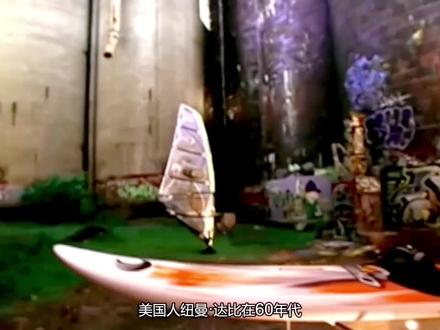 05:00查看AI文稿AI文稿
american newman darby built the first sailboards during the nineteen sixties he reached a sail to a mask on a board with a tail, fin and rode the wind and waves today's windsorpers can pay several thousand dollars for their high tech year this includes a sail a mask and a sailboard to make a sailboard worker start with a long block of styrofoam they attach a wood template pushing nails through holes in the wood and into the block using an electrically heated tool called a hot wire they slice the block along the curve line of the template the result is what's known as the core they use styrofoam because it's lightweight and boiled a worker guides what's known as a shaper machine it outlines a template called a master board on the left while a spindle cut screws into the core on the right the grooves are guidelines to carve the cord to the shape of the master board later on the shaper's forty pound counterweight lets the spindle gently hover above the core as it cuts styrofoam dust flies everywhere so the worker wears a protective mask to avoid inhaling it a worker then saws along the grooves to reveal the initial shape of the sailboard another worker then sands down the core next he applies almost one and a half pounds of epoxy resin on the carbon fabric to reinforce the material and make it sticky another worker applies resin on fiberglass fabric these strong lightweight materials are part of the board's fabric and foam sandwich construction though harden inside molds of the board's top and bottom sections during the curing later on the workers carefully scrape away about twenty percent of the resin too much and the board could crack during use here the worker spreads thicker resin until a piece of rigid foam has an eighth of an inch thick he places it into the bottom bolt and attaches a hand sized plastic component called a thin box it'll hold the sailboard's fin which helps the user steer they add kevlar an ultra lightweight synthetic fabric as the final outer layer on the pores bottom side after applying resin to another piece of rigid foam a worker cuts openings through which other components will later fit this layer is placed into the top hold and covered with more carbon fabric next a worker places the core into the bottom bowl he fits two plastic components called footstrap inserts into openings lined with fiberglass fabric to secure them another plastic component called a mass track fits through an opening line with a stronger carbon fabric the track will later anchor a mask measuring up to twenty feet high strips of carbon fabric also reinforce the areas where the winds are for will stand workers join the mold sections and insert the whole thing into a plastic sack called a vacuum bag they tape the end shut but leave two smaller holes open they attach two hoses to collars in these holes an electric pump then takes about three minutes to suck all the air out of the back as the air is removed pressure forces the mold sections even closer together after curing in an oven at one hundred degrees fahrenheit for five hours worker separate the mold sections using a rotary grinder a worker trims away excess hardened fabric and foam along the edge the whole board got a coat of primer earlier but now a worker sands the paint off along the edge, they placed the strip of carbon fabric all the way around the edge and secure it with thin plastic wrap after more curing the wrapping is removed and the board is sealed for good next the sailboard gets another skin two coats of urethane paint a worker locates the footstrap insert holes and cleans the mount with a router bit he uses a router to clean the inside of the mass track opening an enormous final sticker gives the board its personality a worker smooths away any air buckles then after inscribing the sailboards dimensions in cereal number he signs the board finally workers blew on two rubber cushions called deck pads for nineteen hundred dollars you've got the foundation of a very cool gliding machine。
34夸克hk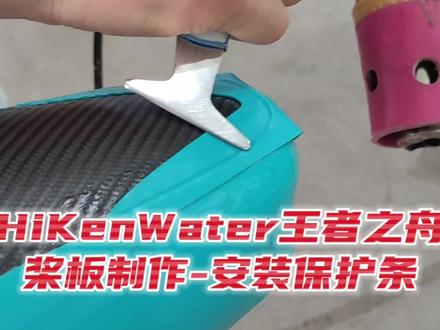 02:16查看AI文稿AI文稿
咱们这个把这板头板尾啊,特意的还加了这么一个保护装置,因为这个板头板尾最容易呃磕碰,最容易蹭,所以说咱们专门加这么一个 啊,这板头板尾的没有保护的小条,这是咱们刷胶的过程啊,工厂刷的胶呢,它是非常的匀称的啊,咱们自个刷泥就很难刷这么匀,而且这个胶水也不一样,你修补的胶水跟工厂这个胶水不一样,所以说 咱们这个保护条你这样粘的话就非常的结实,这个刷完之后哈,要干一会,要晾一会,然后再去呃粘这个 这个过程哈,就是咱们专用的这种工具来粘这个板头,这个保护的尖啊,这个保护的尖呢,他只是一个保护的作用哈,那么但是这个保护尖,你用专用的工具哈,专用的这个专门 这手法来弄,把它弄里边没有气泡,擀的特别平,擀的特别好,就这么一个过程啊,实际上咱们讲板就是一边用这个这个呃加热枪加热,一边来做这个这么一个过程。 哎,这个过程就是咱们再把这个板尾再装这个, 装那个小保护条啊,这是起到一个保护防撞作用,因为咱们这个尖尖头尖尾啊,板比这个方头翻尾 这个更加锐利,所以你撞到这个石头上更容易说撞漏气。这样的话,咱们在这个前后上下两边都加了这个保护条了啊,加这个之后呢,呃,虽然能保护啊,但是你也不能豁啊,你说我有保护条了,你可以豁,船随便撞这东西,你撞久了他也 也会给你磨坏了,所以说咱们有这保护条,它只是能起到一个保护作用啊,但是咱们滑的时候还是说尽量还是别老拿它撞墙,撞这个石头之类的哈。这个粘完之后哈,为什么工厂粘的好啊?就是说 这个第一刷胶刷的匀啊,第二刷胶的时候你像粘这个保护头的时候多多刷一点胶,然后再用这个吸料再把它这个多余的胶水再擦掉啊,这样的话你就是又美观 啊,然后这个又结实。所以说咱们有时候自己粘也好,自己补也好啊,你很难说做到像工厂这么这么细致哈。
94大力桨板电动水翼 03:39
03:39


