
粉丝30.7万获赞361.3万
相关视频
 05:23
05:23 04:07查看AI文稿AI文稿
为什么说原生家庭的痛苦,需要用一生来治愈?今天,我们用心理学剖开毁灭里最让人心疼的提现莫莉花落香奈儿,但莫莉总夸他温柔懂事,强大又省心。但作为一个心理学编辑,我要告诉你一个残忍到骨头里的真相。香奈儿的温柔,从来不是天性,是原生家庭逼出来的重度心理创伤。 他不是天生乖巧,不是无欲无求,他是被童年的苦难硬生生阉割了自我,抹杀了情绪,废掉了选择权。我们看到的所有冷静、隐忍、无私,全是他用来活命的心理防御机制。原生家庭的伤,在他身上刻进骨髓,刻进潜意识,需要用尽余生一点点自愈。咱们先拆香奈儿的第一重原生枷锁,我不重要!香奈儿人生最大的标志性细节是什么?抛硬币, 很多人只当这是人设小萌点,但在我眼里,这是心理学里典型的自我价值感完全崩塌。原生家庭常年的打压虐待,给他植入了根深蒂固的信念。我的一元一文不值,我的选择毫无意义,我不配掌控自己的人生。正常人活着,是我想,我要,我喜欢。而香奈夫活着的底层逻辑是,我没有想法,我不配有想法。没有指令就不动,没有安排就沉默,面对抉择,只能寄望硬币。 硬币落地的声音,是他这一生最悲哀的枷锁。是什么?他无法为自己而活,只能为别人而活。所有的坚持,所有的战斗,所有的努力。活下去,从来不是因为我想活, 活着,而是别人需要我活着。自我彻底空心化,是原生家庭给他套上的第一重枷锁,他的硬币从来不是选择,是放弃。第二重枷锁更狠,我不能倒下。心理学上有一个概念,身体会记住大脑想遗忘的所有痛苦。香奈虎表面冷静克制,情绪平稳无波澜,看起来无坚不摧,实则是情感隔离的创伤状态。童年长期的暴力恐惧,随时会死亡的危机感,没有随着被蝴蝶姐妹收养脱离苦 难而消失,而是被身体永久储存。他为什么拥有极致的观察力,极致的预判力,极致的战斗灵敏度?根本不是天赋,是创伤应激后遗症。 从小在随时会被打骂,随时会死亡的环境里长大,他的身体被迫时刻紧绷,时刻警惕。哪怕后来身处安稳的叠屋,他的潜意识依旧不敢松弛。他不敢软弱,因为童年告诉他,一旦脆弱,就是死路一条,一旦依赖,就会被彻底抛弃。别人的坚强是选择,香奈芙的坚强是刻在身体里的生存本能。大脑以为自己走出了黑暗,可身体永远记得曾经的我,无路可退,无人可依。 这是原生家庭给他套死的第二重枷锁,也是最深的一道,我必须替别人痛。看懂香奈芙的人都知道,他后期的成长里,藏着一种病态的过度。救世, 蝴蝶忍背负仇恨,一生隐忍复仇。肖太湖默默承接他所有的痛苦。伙伴陷入危机,遭遇绝境,他永远第一个挺身而出,拼命兜底。 哪怕从未被世界温柔以待,他依旧拼尽全力守护世间所有温柔。从心理学拆解,这是原生创伤催生的替代性负重人格。从小没有人替他遮风挡雨,没有人替他承受痛苦,所以长大后,他下意识带长弥补,我要替所有人受苦,替所有人坚强,替所有人完成遗憾。他习惯性把别人的伤痛内化成自己的责任,把别人的遗憾变成自己的执念。 无限成片对战同魔,他双目失明,拼死战斗,不止是为了报仇,更是为了替逝去的蝴蝶姐妹,替所有受过伤的人夺回一丝光明。他一生都在治愈别人,却从来不会治愈自己, 这是原生家庭留给他的第三重枷锁。他的牺牲从来不是伟大,是惯性。好了,香奈胡的三重枷锁盘完了。现在我要问你一个直击灵魂的问题,你有几分像香奈胡,不是问你是不是孤儿,而是问你是不是也是家里最懂事、最省心、最隐忍的那个人?你是不是习惯性自我否定?你是不是习惯性兜底别人独自消化委屈,永远优先成全别人委屈自。 小太湖从来不是一个单纯的动漫角色,他是无数原生家庭受伤孩子的真实缩影。懂事的孩子从来都最缺爱。自愈的大人从来都受过伤。我们和小太湖一模一样,用沉默掩盖脆弱,用温柔包裹伤痕,用坚强伪装无助。我们看似平静温柔、通透懂事,实则心里藏着一辈子都散不去的童年阴霾。原生家庭带来的匮乏、恐惧、自我怀疑不会随着长大消失,只会让我们穷尽一生, 慢慢修补破碎的自己。但香奈儿的救赎,早就告诉了所有受过原生伤的人,真正的自愈,从来不是忘记痛苦,而是放过自己。他最后暗停了硬币那一刀,不是硬币替他选的,是他自己选的。他从不敢活到自己活,花了整整一部漫画的时间,香奈儿暗停硬币是他的觉醒时刻,你可以比他更快一点。第一, 你可以不用永远懂事,不用刻意温柔,不用一味隐忍,不用为了迎合别人委屈自己。你的小情绪、小任性、小需求,都值得被看见、被接纳。第二,你可以不用独自扛下所有,不用习惯性自我牺牲,不用强行坚强,不用替所 有人的苦难买单。你可以依赖,可以失落,可以被人守护。第三,你可以优先爱自己。你的人生不用靠别人定义,不用靠硬币抉择,不用为了别人而活,你本身就足够珍贵,足够值得,足够拥有选择权。原生家庭的痛,或许要用一生治愈,但请你记住,童年无法重来,自我可以重塑。 受过伤的你,不必一直做温柔的救赎者,你也可以做被偏爱的自由自在的自己。评论区告诉我,你也是带着原生伤痕默默自愈的人吗?留下你的心声,我们一起与童年和解。
649二次元新淼 03:25查看AI文稿AI文稿
你见识过令人毛骨悚然的提现木偶吗?舞台上正在演绎节目的两具人偶看似寻常,实则并非普通道具,而是一位诡异老头,用活生生的人改造而成,快拿起手中的小红花护住自身,一旦被这名老头盯上,后果不堪设想, 我也无力相助。老头抓获受害者后,会先用特制器械将人牢牢禁锢,再开动设备硬生生掰断挪移全身骨骼,接着在四肢钻出孔洞用来穿入操控的丝线,最后用特制油布贴合遮盖住人脸。至此,一句活生生的真人提现木偶就被他彻底制作完成。 老头之所以滋生出这般扭曲怪异的嗜好,根源源自他做木偶匠的父亲。年少时,他和父亲意外遭遇绑架,他亲眼看着父亲惨死在眼前, 这段经历成为他一辈子无法抹去的心理创伤。懵懂的孩童认知让他误以为木偶拥有生命,整日奢望父亲亲手制作的木偶能挺身而出,解救深陷绝境的自己。即便步入暮年,年过花甲, 他依旧深陷童年的执念无法释怀。他不择手段四处寻觅猎物,将鲁来的人极尽折磨,尚存一丝气息的就改造为木偶为己所用,不幸与命的便直接装箱丢弃草草处理。这一天,老头终于集齐了当年相关的所有人。他重返父亲曾经经营的剧院,紧锣密鼓的彩排 筹备一场公开演出,打算邀众人前来观赏。被改造成木偶的少年并未彻底屈服,拼尽全力扭动身躯,无声的反抗着老头的操控。少年的反抗彻底激怒了老头,他猛的松开手中的丝线,失去丝线牵引的少年无法掌控身体,像一摊软塌的肉泥重重摔落在地。 千钧一发之际,警方及时赶到,将变态老头当场逮捕,阻止了这场更为惨烈的悲剧。世人常说,有人靠美好的童年治愈余生,而这位可悲的老头穷尽一生都在试图治愈自己破碎的童年。 诡异的连环案件依旧在上眼,可怜的小美被活生生改造成了真人玩偶,全身肢体都被禁锢僵硬,唯独双眼能够缓慢转动, 手里有小红花的赶紧保护起来。三天前的深夜,这名小美前往干洗店取完衣物正准备动身回家,无意间撇见一名肥妹正吃力的将轮椅往车上搬运, 行地善良的小美主动上前搭手帮忙将轮椅安稳推上车。可就在她转身准备离开之际,这名肥妹突然掏出电棍,猝不及防将她电击昏迷。等小美再度苏醒时,她依然身着精致的玩偶纱裙被固定在座椅之上,浑身无法动弹, 仅剩眼珠可以转动。更令人毛骨悚然的是,他身旁还有两名受害者,和他有着一模一样的遭遇。这名肥妹心智如同五岁孩童,患有精神疾病, 有着收集真人玩偶的诡异癖好,但凡被他盯上的人全都难逃魔爪。不过肥妹有个奇怪的规矩,他不伤害手里有小红花的人。为了防止这些真人玩偶四级逃脱,他每天都会给受害者注射大剂量麻醉药剂,随后为他们精心梳妆打扮,换上专属定制的玩偶衣裙, 让他们围坐在桌边陪着自己玩过佳佳的游戏。被困小美的双手忽然恢复了一丝知觉,不受控制的微微抽搐,不慎碰翻了身前的水杯。清脆的声响惊动了屋内的肥妹,索性对方并未察觉异常。趁着肥妹外出的空荡,小美拼尽全力拔掉手臂上的输液针,缓缓朝着摆放手机的桌子匍匐挪动。 可当他拿起设备想要拨号求救时,才发现那根本不是真机,只是一个普通的玩具手机。他没有放弃,强忍虚弱爬向身旁的同伴,费力帮对方拔掉了身上的针管,长期为进食让他体力透支,最终眼前一黑,彻底晕厥。而外出没多久的肥妹,忽然记起自己遗漏了东西,折返归来。
864午夜谈剧 11:48
11:48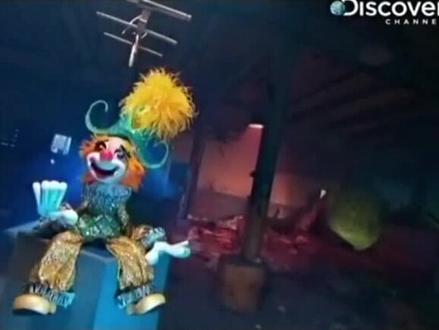 09:47查看AI文稿AI文稿
string puppets also known as marionettes are an ancient form of performance it's not known exactly when or where the first string puppets made an appearance, but it was thousands of years ago today they've still got what it takes to entertain audiences worldwide digitized characters may rule in the movies but on stage there's no doubt that string animated ones can still dazzle audiences a few movements of the puppeteer's hands and some fantastical characters are brought to life behind the scenes making these marionettes is a major production each one is painstakingly handcrafted in a process that takes weeks it all starts with an idea the puppet maker draws several sketches of the character tweaking the features until he satisfied he then draws a full scale version of the marionette referring to that scale drawing he sculpts the head in clay building it onto a wooden framework known as the armature the clay is oil based it doesn't dry out as fast as the water based kind so there's time to tweak the sculpture and perfect it lines drawn for reference make it easier to position the nose eyes and mouth he defines the mouth a little more to give it a petulant expression he smoothed the top of the clay head using a looped sculpting tool and his thumb with a caliper tool he constantly compares the dimensions of the sketch to the sculpture to ensure that the head won't end up too large or too small once the lips and other features have been smoothed out he prepares to make a plaster mold of the sculpture he divides the head into four sections and he outlines a trap door at the back of the head for easy access later he inserts metal shims along the dividing lines he's essentially building walls to contain molding plaster the shims will also ensure that the plaster once hardened can be removed from the clay sculpture in four intact pieces the plaster has been mixed to the consistency of cake batter he scoops a generous amount into a walden section of the clay sculpture the plaster generates heat as it hardens and sets it then cools for about half an hour he removes the shims that surrounded he then uses those shims to wall in the next section he adds more plaster to build up this part of the mold when all four sections are complete he gently chisels them at the seams to separate them he opens the mold and removes the sculpture its image has been transferred to the inside of the mold the sculpture is no longer needed and he's ready to cast the puppet head using the mold for that he uses plastic infused cloth squares softened by solvent he transfers the squares to the mold sections and layers them paper mache style a release agent applied to the mold keeps the squares from sticking to it as they begin to adhere to each other and in the process conform to the molds curves and crevices with squares now applied to all four sections he puts the mold back together and joins them at the seams after ten hours it's time for the big reveal all those little squares are now one solid marionette head the casting looks pretty rough at this point so he covers the entire surface with plastic wood what a difference sanding the plastic wood makes he then paints the head and cuts holes for the eyes and mouth from the inside of the puppet head he attaches springs to enable the mouth and eyes to open and close over in the paint department with every stroke of the brush the puppet becomes a more colorful character with their string operated limbs marionettes can imitate almost every human or animal gesture the more joints and strings the puppet has the wider the range of movement and the more life like the character becomes before the head of the penguin puppet can be attached to the body it just needs a few more dramatic touches like curly fur yes in the fantasy world of puppetry anything is possible even fur on a penguin he traces the pattern on the reverse side of the furry fabric and cuts it out from that side too to prevent any snipping of the fur on the front he stitches the darts together to conform to the shape of the penguin head this process must be repeated for each fur covered part he checks out the fit and confirms that it achieves the desired effect satisfied with the results he moves on to the eyelashes he traces the pattern onto rubber and cuts the lashes out to accentuate the eyes the lashes are substantial he inserts a pair of lashes into slits in each wooden eyeball from head to toe no detail is overlooked here he glues rhinestones to shoes for some serious on stage bling he's now ready to build the torso and limbs of the marionette he traces the pattern of those parts onto blocks of poplar, hardwood and then carefully cuts them out with a bandsaw, this particular part is a hand for the penguin character the initial cut is rough and needs fine tuning so he chisels away at it to remove excess wood and define the shape he files it with a rasp to round the profile it takes about five hours to produce just one puppet hand the other parts receive an equal amount of attention because with ball and socket style joints each limb must fit smoothly to the next he attaches the two limb segments with a hinge made from a kind of fiberboard the same material used to make steamer trunks he confirms that the joints will move freely under the costume when the marionette body has all its moving parts it's time to stretch those limbs so they suit them up and thread the strings from the puppet to the correct spot on the controls the control bars are shaped like an airplane they're known in the world of puppetry as an airplane control the thread they use is fishing line because of its strength they run nine strings or more depending on the complexity of the marionette, some of the strings are for support some for movement and others for effects like nose growing or ear wiggling of course the string placement is crucial for proper movement with the strings strong and well knotted the marionette body comes to life and now the defining moment they attach the head to the body it's a good fit this new character is almost ready to meet his audience all that's left is to run the strings for controlling his head and facial expressions and a little accessorizing they now manipulate the strings to check his limb dexterity and the movement of his mouth eyes and eyebrows this marionette is now ready for the stage between shows he reclines after all you can't always be on incredibly it takes up to fifteen hundred hours to create each one of these marionettes after all that work they're ready to cue the talent。
49夸克hk


