水厂沉淀池流程动画
高密度沉淀工艺是在传统的平流沉淀池的基础上,充分利用了动态混凝、加速蓄凝原理和浅池理论,把混凝强化、蓄凝、血管沉淀三个过程进行优化, 能够进一步去除二级出水中悬浮物体、总磷以及部分 cod 等污染物。高密度沉淀池分为蓄凝反应区、沉淀区、出水区三个区域,原水通过总净水渠进入凝聚区,在此投加凝聚剂,通过搅拌器快速混合发生凝聚反应, 生成小颗粒反花,随后进入蓄凝区,头夹住宁静,在搅拌叶轮作用下与沉淀浓缩区回流泥渣接触反应,生成大颗粒反花。高密度沉淀池增加 加了机械搅拌混合方式,从而增强了抗击水量变化的能力。根据高密度沉电池的进水流量,调节机械搅拌电机转速来控制搅拌速度梯度,使混合效果达到最佳。 在蓄凝反应区,涡轮搅拌机已达到十倍进水的内循环率进行搅拌,对水中原油的悬浮固定进行剪切,重新成成大的易于沉降的蓄凝体。 出水慢速通过推流式反应区进入沉淀区,这样可避免繁花破碎并产生涡旋,使大量的悬浮固体颗粒在该区均匀沉积。 繁花在沉淀区下部汇集成污泥并浓缩。沉淀区设有污泥搅拌装置,浓缩泥渣部分回流秩序凝区目的在于加速繁花的生长以及增加 繁花的密度。在上部出水分离区进行泥水分离,清水通过顶部溢流液收集排出清水区,也可以设置鞋板或者鞋管,改造成逆流式鞋管沉淀区,鞋管将提高水中颗粒的节流效率, 同时高效沉淀池增加了外部污泥回流系统,所以对水质的抗击能力特别强。净水水质可以在很大的范围内变化,当浊度较高时也能正常运行。 从技术上来看,高密度沉电池占地面积小,处理效果好,进水水质变化影响小,加药量小,且占地面积较常规沉电池要小。

粉丝1601获赞5988
相关视频
 06:24
06:24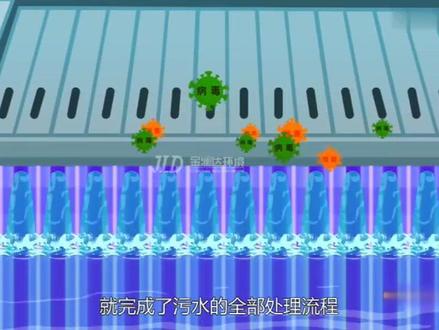 00:39查看AI文稿AI文稿
深度处理阶段,高效沉淀池可以去除部分 cod、 bod、 悬浮物和总鳞等污染物。当二尘池出水总鳞波动较大时,可以投加除鳞剂及注剂,保证水质的稳定达标。 纤维转盘滤池的作用是过滤高效沉淀池加药后形成的未及时沉降的序体,进一步去除悬浮物,降低水质的浊度和色度。 最后,在污水排放前,利用波长为二百至二百九十五纳米紫外线对污水中的细菌、病毒进行消毒处理,就完成了污水的全部处理流程。
 02:23
02:23 00:40查看AI文稿AI文稿
这一格格的是迷宫还是百叶窗?其实它是自来水厂里常用到的折板训练池,原本浑浊的水加上净水剂在它里面烤一圈,就会把导致浑浊的杂质聚集在一起, 很容易沉淀分离了。这么神奇吗?我们来看看水在池子里是怎么跑的。这是数流式折板训练池,它分成若干格,每一个格子里安装了许多块折板,水流在一格内的折板空隙间上下往复流动,然后通过相邻两格之间的池壁上开有的孔洞 进入下一格,继续上下往复,速度逐渐降低。就这样依次通过训年池,水中细小杂质聚集成大的繁花,随后流向沉淀池,接着处理。
308张工注册给排水工程师 26:54
26:54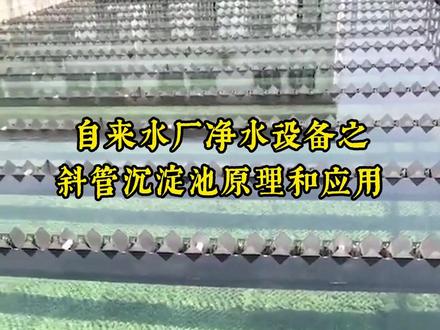 00:54查看AI文稿AI文稿
自来水厂的血管沉淀值采用血管沉淀净水法,通过重力作用和附着作用将悬浮物和污泥从污水中分离出来。 血管沉电池的结构通常包括进水口、沉电区、出水口和吉尼区四个部分。沉电区是血管沉电池的核心区域,内部安装斜向排列的蜂窝血管填料。当原水进入沉电池时,由于血管的作用,水中的悬浮颗粒受到动力作用逐渐沉降。 同时,水在流动过程中也会与填料表面发生摩擦,部分颗粒附着在填料表面,通过沉降和附着的双重作用形成较大的沉淀物分离出来,汇聚到吉尼区,提高了脱水效率。 在自来水厂的实际应用中,血管沉淀池展现出显著的优势。据数据统计,血管沉淀池能够将水中的悬浮颗粒去除率提高至百分之九十以上,使出水水质明显改善。其紧凑的结构设计也能减少占地面积,为水厂的规划和建设提供更大的灵活性。
 05:27查看AI文稿AI文稿
我们每天产生的污水究竟是排走了还是又被我们喝掉了?这是大型污水处理厂完整的样子,它里面包括机械分离处理、微生物处理、泥沙沉淀处理、臭氧氧化处理以及最后的过滤处理。 如果遇到降雨量很大的日子,过多的污水会被引到这个临时沉淀池中进行简单的沉淀和过滤。满出来的雨水允许被直接排入河道,但在正常情况下,污水会通过管道被送到污水处理厂进行全面的处理。 先进入机械分离阶段,分别要经过山格过滤器、泥沙分离池,然后进入初级沉淀池。这里面就是大型的山格过滤器,它是通过平行的金属山格拦截各种杂物,并 刮除掉这些杂物,过滤以后的水流进入这个泥沙分离池。它又称为爆气沉沙池,沉淀后的泥沙被吸入到分离器中,然后再做下一步处理。与此同时,沉沙池的机械装置把水面上层的油脂和浮渣清除掉。 现在的水流进入初级沉淀池了,在明显平静的沉淀池中,水中的悬浮物会逐渐沉淀到底部,把污泥和水进行再一次分离,并又一次刮去水面上的油。 经过初步沉淀和去油后的沸水通过管道进入这个生物反应池内。污水进入池内是通过大型的水泵送进池内的,流速达每秒六立方米。先一次在池子的廊道内投放微生物,然后往池子里注水。污水流到池子的后面时,会继续进入到 下一个池子里面。往水池里注入氧气,叫做爆气,水里有氧气的情况下,水中的微生物在净化污水的同时,还能对有机物进行分解。污水中的混合氨被转化成硝酸盐和氧气, 然后污水进入没有爆气过的反应池中。由于没有氧气,硝酸盐被转化为氮气,每个池子边上都有一根黑色的管子,往水里添加盐类就能沉淀出大量的磷,因此每隔几天就有一大车的盐送进来。 污水从生物反应池出来后,缓慢的进入二级沉淀池子的廊道中,这时候的污水中有微生物活性污泥和磷,它们混在一起均匀的沉降到池子的底部,然后通过西瓜器把污泥收集起来,一部分放回生物反应池,用于繁殖更多的微生 生物。其余部分送到一级沉电池进行沉淀,再通过污泥处理设备来处理。污水从二级沉电池被抽到了这个位置,这里有四个完全密封的大水箱,污水将在里面做臭氧化处理。 臭氧气体被添加到密封水箱的水中,它的化学反应非常活跃,它能分解药物残留和微量激素等 臭氧在流过山阁结构的水箱时,能够得到比较完全的臭氧反应,即使升到水面的残留也能在完全密封的状态下被消除掉。经过臭氧处理后的水流到最后一个过滤环节,这里有很多个精致的过滤单元, 每个单元用沙子作为过滤层,水渗透过沙子之后流入底下的管道。随着时间的推移,沙子底部的过滤器会被 堵住,因此需要定期对过滤器进行清洗。每次清洗关闭阀门,然后从池子底部由下往上进行冲刷,冲刷后的废水同样返回第一个废水池中,再依次进行处理。 全部处理过的水清澈透明,在经过各项检测最后被排入核道中。那么由污水沉淀下来的污泥去了哪里了?初级沉淀池底部的污泥通过地下管道被抽到这几个罐子里面,他叫做遇浓缩池。 抽进来的污泥和水在浓缩池内会沉淀八小时,在缓慢的搅拌中把淤泥压缩并沉淀到底部。 八小时后,池中的水被分离到了池的上方,然后再回流到初级沉淀池内。底部的高浓度污泥则被送到这四个叫做初级发酵池的罐体中,在这里把污泥 泥加热到三十八度,然后进行二十天左右的发酵。发酵过程中,污泥被分解成甲烷气体、二氧化碳和水,被净化后的甲烷气体可以为六千户家庭供暖。 经过初级发酵后的污泥进入二级发酵池进行分解。污泥中的有机物质发酵完后被送到这里 用离心机进行脱水,水分在离心机高速旋转下从泵体的管子中流出,脱水后的固体颗粒通过螺杆传送机送走,传送机连接到旁边的焚烧发电厂, 发电厂的抓斗把颗粒状的淤泥送进盘式烘干机内,在高温圆盘的转动下,泥块中最后的水分也被蒸发了。干燥的泥块进入这座焚烧炉进行焚烧,焚烧产生的热量能 为整个污水处理厂供电和供暖。焚烧产生的烟气进入这个烟雾净化系统净化后才被排放。焚烧的烟灰被集中吸收到这两个罐体里面。这种烟灰含有非常稀缺的磷元素,因此专门有人来定期收购这种烟灰。 整个污水处理厂通过丰富的管线连接成一个系统,他们是污水自动化处理的保障。
 05:00查看AI文稿AI文稿
本项目新减日处理规模十五万吨的无水处理厂一座, 配套建设二百五十吨每日的一套无名处理设施,以及二十万吨每日的再生水回用工程。 二期污水处理工艺分为一级物理处理、二级生物处理、三级深度处理以及配套的污泥钢化除臭、中水回用等工程。 一级物理处理包含粗格衫进水泵房、细格衫爆气沉沙池等处理单元。 污水经排水管网引入场内污水井后经粗葛山拦截处理,粗山条间距为二十毫米, 可有效节流较大的漂浮物和悬浮物。北粗格山拦截的山楂运至山楂压榨机,经脱水后外运污水由浅污泵提升至高位,配水区 无水流,向孔径为五毫米的往板细格山进一步拦截无水中的较小漂浮物和悬浮物。爆气沉沙池主要功能是去除比重较大的泥沙等无机颗粒。 爆气沉沙池一侧设置一排空气扩散器,水体旋流产生离心力,比重较大的无机颗粒下沉,有机物随水带走沉积颗粒泵送至沙水分离器。浮渣 北京纸格山截留在浮渣廊道,输送至一体化浮渣分离器进行压榨脱水外运处置。 二级生物处理包含生物池、二陈池等 污水。生物处理方法是创造出有利于微生物生长繁殖的环境,促进微生物的增值和代谢,加速有机物的无机化。 生物处理采用改良型八盾辅工艺,按流程依次为艳阳区、缺氧区、浩阳区、缺氧区、浩阳区可以实现同步脱单出林。与常规活性污泥法相比,强化了系统脱单的 利 艳阳区作用,在艳阳环境下,聚林军进行艳阳士林的升华反应。 处理后的污水进入艳阳区距离微生物在艳阳条件下,利用水中的小分子有机物同化为包内碳原物质,同时向包外释放磷酸盐。 缺氧区作用,在缺氧环境下,反消化菌进行脱蛋反应,去除蛋元素混合液经艳阳区流入缺氧区。 反消化菌在缺氧条件下,利用水中的有机物使消肽蛋转化为氮气溢出,完成反消化脱蛋过程。 耗氧区作用,在有氧环境下,活性污泥微生物通过增值和耗氧呼吸作用实现水中有机物的降解、安淡的消化及零元素的过量摄取。 混合液流入二沉池配水井进行均匀分配。二沉池是通过净尘作用实现泥水分离, 净尘止后上清液流出。沉淀污泥由刮泥机进行收集,一部分回流至生物池,剩余部分泵送至污泥浓缩池进行浓缩脱水处置。 剩余污泥首先进入污泥浓缩池进行重力浓缩,浓缩之后进入板矿压滤机进行脱水,含水率降至百分之六十以下,进一步钢化处置,使含水率降至百分之三十,进行协同焚烧等资源化利用。 yeah 三级深度处理包含二次提升泵站、高效沉电池、微型浴池、加滤接触池等处理单元, 二乘时出水经前污泵提升至高效沉电池。 高效沉淀池由混合区、遂宁区协管沉淀区组成,混合反映区主要通。
481阳光大男孩(‵▽′)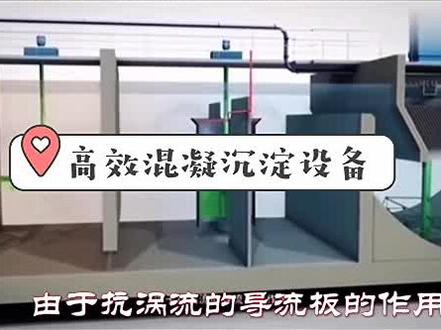 01:02查看AI文稿AI文稿
酱池中加入混凝剂之后,原水被强力搅动并产生繁花。 混凝水进入配有导流桶的蓄凝尺,在该尺中加入蓄凝剂,从而保证形成大的续团。 由于抗蜗牛的导流板的作用,导流桶改善了反应条件,并减少蓄凝池中的死角。在蓄凝池中,水大概停留十分钟再流出蓄凝池的过程中, 去年后的水在导流折板中间穿过,以免把川流带入沉淀区。 虚团增大密实后会很快沉淀到池底。同时,澄清的水通过鞋板或鞋管上升,然后通过一 积水槽收集并流向下游。处理阶段,在沉淀区底部,污泥被刮向中心移进并通过泵排出。
586山东国睿环保污水处理设备 04:26查看AI文稿AI文稿
可漂浮的固体如油脂漂流到沉淀池水体表面,通过旋转的撇油器不断地将油脂刮至收集槽 和沉降的固体沉降到池体的倾斜底部, 由刮泥机将污泥刮至中心及泥井。这些有机物经过发酵后,最终可被重新利用,例如作为肥料浮渣挡板,可以防止漂浮物与处理过的水混合。水流经过水池边缘的三角印流出, 经过初沉池之后,水看起来干净多了,之后干净一些的水流向二级处理。在我们的模型中,二级处理是爆气池, 池内含有微生物,与废水混合在一起,这些是特殊的细菌和微生物,可以消耗降解废水中的有机物, 比如人的排泄物、食物、肥皂和洗涤剂等废物。这些有益的微生物也需要氧气才能存活,所以空气被爆气风机送入混合污水中。这些细菌直接吸收可溶性颗粒作为食物或者释放 为,最终使固体颗粒被消化。 随着时间的推移,微生物自然地粘在一起,形成称为活性污泥。水和活性污泥经过二陈池进行泥水分离, 在这里污泥沉入了水池底部,部分污泥回流进入深化池作为菌种, 因为这些污泥依然后活性。经过处理的水流经水池边缘的液,并在紫外线消毒池中进行最 中消毒。 经过最终消毒后,水排放回到大自然特别设计的带有扩散喷嘴的排水管,将处理后的水均匀混合的排放进入水体,减小对现有环境条件造成的破坏。 处理过的废水排入水体和未经处理的饮用水水源一般不会是同一个水体,但世界上一些少数地方会出现这种情况。
 00:47查看AI文稿AI文稿
平流时沉淀池处理污水、污泥的原理就是在蓄凝剂的帮助下,将盐水在举行池内自进口、直出口做水平流动的过程中,絮状颗粒得以沉淀进入污泥垢,最后排出处理过后的清水从池的一端水平方向流入出水渠, 进入回收池。平流式沉电池增加了对冲洗装置,药剂可以充分混合,出水稳定,在节省药剂的同时也提升了处理效果。池底是椎体设计,设有自动开关,出泥效果好, 不易发生堵塞现象。停留是陈电池对冲击负荷和温度变化的适应能力较强,工作稳定,出水清澈,工作效率高,可用于处理大、中、小型污水处理厂的污水、污泥处理工作。
97蓓德-带式压滤机 19:12查看AI文稿AI文稿
hi, john here in this video we're going to look at a primary clarifier specifically we're going to have a look at a circular primary clarifier, i can explain to you how it works we'll look at all of the main components and then we'll look at some of the factors that might affect clarifier performance clarifies are used in a water treatment process known as sedimentation separating solids from a liquid using only gravity can be done in a sedimentation basin or a settling tank however, if we use mechanical means to assist the separation of solids from liquid, then we refer to the associated machine as a clarifier, so let's now have a look at how the whole thing works we can see now we've got our circular primary clarifier, it's called a primary clarifier because it's the first initial stage of treatment we refer to this as primary treatment or a primary clarifier and after this stage the liquid being handled will go for secondary treatment most likely in a secondary clarifier going to see these items installed in sewage treatment plants, water treatment plants, popen paper plants, mining, facilities and anywhere else where there's a large amount of water that needs to be treated prior to being discharged into the environment or being recirculated and reused again i'm going to now pause the animation we're gonna look at how it works so let's go all the way down to the bottom we can see here we've got an influence the influence is where the liquid the fluid will enter into the brownery clarifier, so we can think of this as being an inlet or intake notice it's in the center the primary clarifier sometimes it will be around the periphery or it will enter from the outside circumference of the clarifier just see if we can get in through the center, see we're coming up now and as we come up do a little spin see we are now inside the primary clarifier what's going to happen now is we're going to pass through these channels or these ports and we're now inside the main body of the clarifier the main section where the water would enter we've got here a baffle plate this is actually referred to as an energy dissipating inlet i'm going to zoom out, so we can get a higher view because i think it's a lot easier to see what's happening so here you can see we came in through the port here we entered into the clarifier and we hit this wall here this baffle which is called an energy dissipating inlet notice that some of the liquid would flow out this way and some of it would flow downwards the idea with the edi is simply that we want to slow the velocity of the liquid down because if we can slow the velocity of the liquid down it's going to sell out a lot quicker and this means we're going to be able to separate these suspended solids from the liquid so essentially if we can slow down the velocity and let gravity do its work then we're going to be able to separate the solids from the liquid a lot faster and this means we can have a higher flow rate through the clarifier, which means we get a more use of the clarifier for our money so it's increased efficiency and increased capacity so let's have a look now at what happens after that we can see we've got another baffle plate here again this is to slow the velocity of the influent down once the velocity has been slowed down we can split the clarifier into three zones got here in let zone got our settling zone which is if i go to the side here roughly gonna be from where our inlet zone ends to the outer wall, which is our outlet zone the settling zone is where the solids will gradually separate from the liquid due to the force of gravity and also because we slow down the velocity the solids that are heavier than the liquid who sink to the bottom of the clarifier and these will be collected by a rake or a plow some people just say rake, some people say plow we can see the rake arm is here and then we've got our scrapers and the scraper blades are these items here is one two three and it's a scraper blades job to scrape the sludge off the bottom of the clarifier the settleable solids that accumulate on the bottom of the clarifier are referred to as sludge however, there are also other types of solids and we refer to these as floatable solids and these will accumulate on the surface of the water as scum, so we have the scraper blades on the bottom which form part of the plow or the rake and these will rotate as they're doing now i will scrape the sludge and the sludge will then be gradually discharged for one scraper to the other into a sludge pit see the sludge pit is here it's a hole in the ground and that sludge will come around you can see now the scraper blade assume also excel labels the scraper blade is coming around the sludge is going to be pushed gradually along, and when it gets to the center sludge is going to be discharged into the sludge pit from the sludge pit the sludge is simply sucked out and it will be taken for further treatment this has sludge discharge this was influence through the center and if you go to the top we talked about settlable solids which accumulate to form sludge, but what we also talked about with floatable solids which accumulate to form scum now we need to get rid of this scum as well so if our water line was about here you could see that what we have for collecting scum is this long piece here and this will push the scum outwards radially to the outside periphery of the clarifier and then we have a scum skimmer there's this item here will come around it rotates and we're going to discharge our scum to a scum trough just zoom in here if i push play will be able to see this might take a war for its come around see it's coming around to imagine that the war to line is about roughly where the scraper is or where the scum scraper is just pause it will zoom in a bit more and here it comes here comes the scum scraper and then when it impacts with the scum trough notice the scraper has been pushed up slightly now and it's going to discharge into the scum trough you can see there's a little hole here and from there we can then get rid of the scum so we've got rid of the scum, which usually just looks like very thin bubbles that you would have in a bath, although quite often it smells a little bit funky, whereas the sludge is far more dense that's why the heavier settlables solids sink down and the lighter floatable solids float up, and you'll see this because the scum is quite light and fluffy and looks a bit like bubbles you would have in the bath whereas the sludge is very thick and heavy and that's because it's density is far greater than the liquid in, which it was suspended so by a decrease in the velocity and using the force of gravity were able to separate not only the floatable solids which form scum, but also the settlable solids which form sludge now in order to stop any of the scum going to our clean water outlet, which we call the affluent we have a scum baffle scum baffle is this item here where my mouse is now now the scum baffle it might not be vertically inclined, it may be horizontally inclined, it may be slightly inclined downwards there are different designs here we've used a vertical scum baffle and the scum will essentially accumulate a round bell this right here and we're stopping or preventing the scum from going the other side of the scum baffle and reaching our wear this is our weird here this is called a v notched weir as in around so you can also see the labels as well as what i'm talking about so here we've got a v notched where that's this item weirs are also available in different designs although the v notched is one of the most common if not the most common we zoom in you can see what it's called the v notched wear can see it's the shape here and here we are using the weir to allow a thin film of clean water through the weir and this cleaned water remember with removed now approximately ninety to ninety five percent of the set level solids and approximately forty to sixty percent of the suspended solids so the water now is quite clean and this cleaned liquid is known as the fluent and we're going to pass into this channel here so we've gone through the weir as a thin film of water so the water level is gonna be about this high the wear itself can be adjusted load or raised depending on where you want it so the water is flowing through and now we are in an affluent launder side launder and we're going to need to get the fluent out and in order to do that come around here you can see i'll zoom in again just so you can see the labels here is our fluent launder so we've gone under the scumbaffle through the wire we have a very clean liquid now it's in the launder then it's going to flow around and be discharged to a pipe here and we're going to send it off for further treatment so we'll flow out and then we are out of the clarifier as a clean liquid i say for further treatment this depends upon what you're treating and how clean it needs to be primary clarifies are very very good at separating solids from a liquid up to specific sizes when you have very very small particles or solid suspended in the liquid, then we refer to these as solid or solids and these are too small to be separated out in a primary clarifier so in order to separate them out, we're going to send the fluen off the further treatment and the most lightly next step is going to be a secondary clarifier the secondary clarifier may have a larger diameter and the primary clarifier that we're looking at now and it's very likely to have a longer detention time, the detention time or retention time is the amount of time the liquid spends within the clarifier for a primary clarifier like the one we're looking at now that the tension time is going to be between one to two hours for a secondary clarifier we need to have a longer detention time and we may have a larger clarifier because we need to separate smaller and smaller solids and in order to do this will increase the detention time and increase the cross sectional area of the clarifier so let's just do a short recap and then we can have a look at some of the performance characteristics very briefly here is a in influence so the influence is entering through the bottom through the center remember we can also have an influence that enters from the outside periphery, i'm not going to zoom up through the pipe this time we'll just go up and see now we're coming up through the center pipe and then influence it's gonna come out at the top of the tower and it's gonna be discharged to the energy dissipating inlet that's gonna slow the velocity of the influence down we're also going to use a baffle plate here to slow the velocity down still further and then the influence is in our settling zone, so we're going to start to separate out the influence using the force of gravity and by slowing down its velocity once, we've done that the settleable solids are going to fall to the bottom and accumulate a sludge and this sludge is going to be gathered off by our rake or plow, and it's going to be discharged to our sludge pit our floatable solids are going to accumulate on the surface on the surface of the liquid and these are going to be gathered up by skum skimmer this is all the way along here and we have a skimmer here, and that is going to discharge the scum to the scum trough as we saw earlier so now we've continuously removed the scum can actually see the pipe where it will be discharged out of the clarifier and with continuously removed the sludge we're going to have the remaining liquid that flows underneath the scum baffle so under this section here it's going to come up here and then it is going to flow as a thin film of water through our v notched wheel the item we're seeing on the left side now flow through and then we are in a fluent launder and the affluent launder is going to be discharged through a pipe and that pipe is around this side of the clarifier and we can see that here that is an affluent outlet and so the affluent the clean liquid will flow out of this pipe and that is essentially how we separate the solids on an industrial scale from a liquid like i say you'll see these at water treatment plant, sewage treatment plants, mining facilities and paper mills anywhere where you have a large volume of water that you either want to clean before you discharge it to the environment or recirculate and reuse again in the process remember water isn't cheap you'll often be charged to figure out water that you will draw in from a lake or a river so in order to cut costs you need to reduce the amount of water that you're using from the lake or the river and if you can recirculate and reuse the water even better because remember in a lot of countries you're not largest too dump the water back into the river or the lake you have to cool it down first you have to slow the velocity down there's a lot of environmental factors that need to be taken into account before you can just send the water back from whether you got it so rather than after jump for all these legal hoops it's a lot easy just to recirculate the water you have save the money and not have any environmental legal liabilities or at least have reduced liabilities if we're talking about efficiency or performance of the clarifier, and we're going to be talking about the surface overflow rate which is the flow rate going into the clarifier or the influence flow rate divided by the cross sectional area of the clarifier, we can also look at the weir overflow rate which is the flow rate going into the clarifier and will divide that by the length of our weir these are some of the common ray shows that are used to measure how well a clarifier is performing you want to avoid things like growth on the weir, which sometimes manifests itself as algae almost looks a little bit like seaweed because any changes to the flow characteristics within the clarifier may cause something which they refer to as short circuit this means you get a highly irregular velocity flow path through the clarifier now remember we want the velocity to be slowed down as much as possible and we want the velocity for out the entire clarifier to be as uniform as possible especially within the settling zone if we have areas of a clarifier where the velocity is far greater than other areas then what we're gonna get is a lot more flow through this high velocity area and this means we're gonna get very little settling we're only gonna get settling occurring on the outer periphery or away from this high velocity area and this is known as short circting so in order to avoid this short circuit situation we need to ensure the clarifier remains clean in order that it can operate at its optimal condition so that's how a primary clarifier works if you like this video, please do share or like it on social media it really does help us out and allows me to produce more and more content and if you'd like to see many more engineering related tutorials then go to the video description area and there you'll see a number of links to our online video courses and if you click on those links you'll be able to purchase them for a discount price thanks very much for your time。
32全成云


猜你喜欢
最新视频
- 2539🐶