acrai处理方式

粉丝2049获赞2.0万
相关视频
 01:11查看AI文稿AI文稿
死亡摇摆确实可怕,如何处理才能避免被刮?这位骑雅马哈二六的美男子就非常完美的演示了一下正确处理死亡摇摆的方式。碰到死亡摇摆不要慌,双手不离把,不要带刹车,相信自己的车辆,只要不倒车,他回正是必然的。 当然了,普通人,包括我,碰到这种情况也没有这样的冷静。这个视频是不是手机支架的广告?那么划归正题,什么才是摩托车的死亡摇摆?怎么来预防?首先,你时速六七十以下,那不叫死亡摇摆,那就是普通的快乐摇摆,谈不上死亡。当然了,你说速度和抖也没有什么必然关系,有些车即使速度到零,他还在摇摆。 这种摇摆通常是生命的摇摆,跟死亡对立。大道皈依吗?确实很有哲学意义。不离死亡摇摆,双手扶住,这是最大的关键。当然,你觉得自己足够牛的话,也可以单手处理。手握日月摘星辰,世间无我这般人。有些人就是这么嚣张。装太迟,也就是摩托车转向阻尼器, 是一个不错的解决方法,管用,但是不保准。即便装的太迟,你的速度太快,该摆还是得摆。死亡摇摆的最大杀伤力在于无法预测,同时也最考验骑手的冷静与经验,常见于高速行驶状态。 咱那句话怎么说呢?明知山有虎你不去明知山,保养好车辆,管住右手,控制好车速,比什么都强。祝咱们粉丝一路平安!
11.3万一分钟速评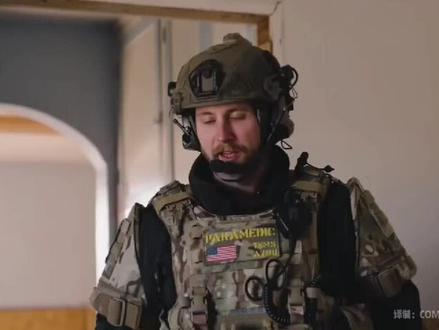 08:14查看AI文稿AI文稿
hey guys, my name is sam and welcome to prep medic this week's video we are talking about the march algorithm all right guys so the march algorithm is the assessment mode that we use in a tactical environment, a lot of other environments are starting to adapt it like civilian ems and essentially it's a way of addressing life threats on our patients so when we come up to a patient in a non permissive environment such as a tactical situation our number one priority is always going to be neutralizing the threat if the patient has just gone down they've been shot they're starting to bleed out they still have a minutes before that becomes an issue so in that case we need to make sure that whatever injured him is not going to injure us that kind of goes in line with scene safety so in a tackle environment that's either arresting or shooting or getting out of the range of an active shooter or a violent perpetrator in civilian ems that might just be moving somebody out of traffic or away from a cliff face away from a fire something like that once we've done that then we're going to actually start our medical care so if it all possible if it's not permissive i'm gonna have him self addresses bleeding so if he has a tourniquet he can do self application if this is a mass casualty or somebody's trained on scene there might be an officer down, but we're moving on to another objective i might drop him a kit so he can start applying those turn to kits to himself obviously doing wound packing on yourself isn't really feasible in this case doing the tourniquets won't be only things are gonna be able to do for a self aid we're going to assume that this patient cannot do any of that for us and we're also going to assume that the threat has been neutralized we're no longer in a non permissive permissive environment we're at least in a warm zone where the threat has been taken somewhere else so as i come down to him my first step is going to be identifying sites of massive hammer just the m in the march algorithm and we're gonna come out to the patient we're gonna ask them where they're hit but we also have to confirm just in case there's multiple wounds that they're not aware of so sir sir do you know where you're hit doesn't know we have to perform a blood sweep and this is just taking our hands and running them over their body to make sure that they're not coming out bloody there's nothing we have to address right away so in this case he's got armor on i don't want to take a all the way off but i am gonna undo his quick release buckles i'm gonna take my hand just run it over his head really quick back of his neck under his front plate and then under his back plate there, and i'm checking my hands each time i'm gonna run down both arms and then we're gonna run down both legs making sure i'm getting where i can't see looking at my hands the whole time now i don't want to be wearing black gloves for this because that won't show blood very well in this case it didn't come up with anything but if we did find a major bleed in an extremity that's when i would take a tourniquet and apply it if there's a major bleed at the junctional site so base of the neck armpit groin, we're going to take quick clock gauze and we're going to pack it as much as possible so we've stopped the bleeding right away, they're not losing any more blood we've kind of stopped that clock from ticking we're going to move to their away and that's just making sure that they have a clear line of communication from their nose and mouth to their lungs if i have to move on, i'm not going to be with this patient this patient is unresponsive i might take them and i might roll them into the recovery position which is just on their side arm above their head and that's going to allow fluid to drain out of their mouth and they're not going to aspirate on it if i'm working on him and he doesn't have active fluid in his airway i'm okay keeping him on his back just like this what i might do if he's unresponsive is insert a nasal, ferrangeal airway and that's not going to protect his airway at all it's just gonna make sure there's good communication from his nose to his lungs keep that line open next, we come to our respirations so this is the r in the march algorithm now for this we actually have to make sure he's breathing so we've made sure that there's a line of air connected from his nose and mouth to his lungs now we have to make sure he's actually making use of that so in this case sometimes this opening the airway will stimulate them to breathe sometimes you can just do a painful stimuli that will get them up and going a little bit more periodically though you might have to perform rescue breath so in this case we have a bag valve mask we can implement if i'm doing that i'd like to have some kind of advanced airway like we did before or he might just be breathing on his own and then we're gonna leave that bee now one additional thing in this section is going to be applying chest seals so if he has been shot in his chest he is what's called a sucking chest wound that's going to be something where i want to take a a chest seal that's preferably has a valve on it put it over that wound making sure it allows for full long expansion so one other thing to do in the respiration sequence is going to be your needle decompressions and this is taking a needle inserting it into the thoracic wall and if they have what's called attention in authorax, so that's when a massive air builds up inside the chest cavity and pushes over the media stynum potentially causing hypotension and signs of obstructive shock a needle decompression just vents that air and allows the chest to decompress taking the pressure off those vital organs and it will help improve their hemodynamics if they were suffering from attention to look or x now the next part, the c in the march algorithm is going to be your circulation so this is when we're looking at house's blood flow and we're actually stopping a little bit of internal bleeding for this section so this is what we're going to do an iv or an i o, if we have to give blood products or other medications we're just fluids a piece of really dehydrated we're going to apply a pelvic binder and that's going to bring his hips together, so if we suspect a massive pelvic injury you can lose up to three leaders in your pelvis and this takes that open book fracture closes it up, so you're losing a little bit less blood in those instances we'd also initiate blood product infusions if we have that available to us one of the last steps is going to be your eight so depending on who you assistance for different things most of the time this is going to be hypothermia, so you start losing the ability to clot at about ninety five degrees so even on a hot day we have to make sure that a massive trauma patient stays really really warm in this case we might take a space blanket we'll take whatever thermal insulators we have throw it on them and we're gonna try to keep them as warm as possible even if it's really hot outside when we get into a vehicle, we're gonna crank the heat as much as we can so that's gonna prevent the hypothermia the other thing we're gonna look at is head injury so c spine precautions in the tactical environment aren't that big of a deal, we don't do a ton of sea collars or full of mobilizations here it is something we'd consider with a head injury we're also going to see if maybe he has massive head trauma and go back through our assessments see, if there's anything we have to redo because of that the last step is going to be e so it's march e and this is kind of an add on that some people do the e stands for your extrication moving them out of this building how are we going to move them? how are we going to get them to definitive care which would be a hospital or if you're in a war zone it might just be another medic, so that's going to be our evacuation plan in this case i'd take them i'd put them on a mega mover and carry them out to wherever the ambulance is in potentially put them in an armored vehicle so that's a really quick overview of the march algorithm if you guys have any questions leave them in the comments down below and i will see you next week。
723战斗红线⚕️ 02:17
02:17 04:37
04:37 09:22
09:22


猜你喜欢
最新视频
- 5507酷学贝