好马鞍和霸下鞍区别

粉丝3871获赞3.9万
相关视频
 01:37161山海曼波
 03:55查看AI文稿AI文稿
给大家看一看我的这个马鞍,这个马鞍是我妈妈送给我的礼物, 这个可以说是我的嫁妆吧,就是我妈妈精心为我准备的, 之前有一个朋友用一匹马来换这个马鞍,我妈妈都不愿意换,因为这个马鞍是我姥姥送给我妈妈的嫁妆,然后我妈妈一直就保留下来,准备说以后我出嫁的时候要把它送给我, 可以说是我们家的传家宝吧。而且这个马鞍他的价格比一般的马鞍会贵很多,因为他是纯手工的,而且上面是镶了这种银子的,这个也是镶了银的马碴子,就是戴在我马头上的,现在我把闪电拉出来带到他 身上,给大家看一看我的马鞍子,把马鞍拍到马身上,你才能看出来它的效果啊。然后给大家看一看我的这个帽子,这个是爷爷的帽子, 我用我们哈萨克鱼把它叫做土吗?因为我们哈萨克人一直都是在这种大山里边,在草原上放牧吗?所以冬天的时候这个帽子就非常的暖和,而且是用纯手工做出来的。 看闪电在这吃草,念念,小宝贝呀,抓住了,走吧,给你带一个新的,晚安。看,这个就是马碴子,要带到闪电头上,我给他捂热一下,因为冬天的 时候这个铁特别冷,放到嘴里边 看,把这个这样给他扣上, 都是我妈妈亲手给我做的, 第一次给他用这个马鞍,他可能不太习惯 看这个肚带,我也给他拉好了。看,这个就是我的马鞍子,给大家看一下,这个是呃,他的一个装饰,要把这个马尾巴 就是放到他的这个里边,有些马如果是烈马的话,他肯定不会让放的,在放的时候一定要小心一点, 我已经把我的这个马鞍子背到马身上了,现在我就骑到我的新马鞍上给大家看一看, 看这个马鞍就是比这个平时 骑的马高一截,就是你骑到马身上感觉没骑到马身上是一样的,感觉是坐在沙发上一样,特别舒服,现在骑着马走一圈。
1.5万马背少女驰娜尔 🧿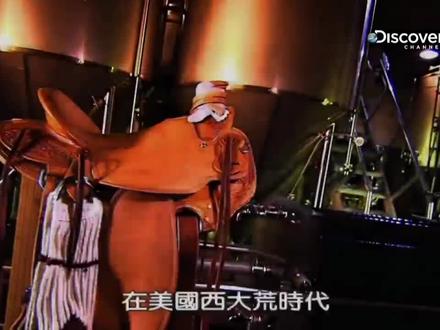 09:58查看AI文稿AI文稿
in the american wild west cowboys spent long days in the saddle, which could leave them to soar to ride off into the sunset and that led to the development of the western saddle large and sturdy this saddle was modeled on the type used by spanish conquistadors and it made chasing cows a less painful experience today riders still saddle up western style which is more relaxed than english style with the rains held in one hand instead of two the contours of the saddle seat are more pronounced for added comfort a western saddle also has a horn for looping robe called the lariat and cowboy lingo, it starts with a saddle tree made from laminated wood covered in sections of raw hide an artisan cuts out the saddle skirt and other components using a hydraulic press he cuts the saddle seat by hand with this tool caught a head knife the seat gets special attention because it's being custom made for a particular horse he shaves the edges of each cut out so it can be tucked neatly onto the saddle tree the technique is called skyving he brushes glue on the leather section that fits around the stem of the saddle horn then he works it into position creating a lip around the horns top he presses the horn cap onto the leather rim top then crimps the edges together he collects tax with the magnetic tip of a hammer then pounds them through the leather cap securing it to the wood a thick leather cutout hides the nail heads he carves a groove around the top of the horn and punch his holes through the leather this will make it easier to sew the layers together he uses two needles to interlock the stitches this secures the cap and gives the saddle horn a tailored look to complete the horn the saddle maker trims away excess leather with a special forked blade now the artisan builds up sections of the saddle tree with strategically placed strips of leather he skives away some leather to improve the form then he places a leather back piece of tin over the built up areas and nails it down this part will add strength to the seat he continues shaping the seat then shaves the edges to blend it to the saddle tray the seed area gets one last leather buildup and some intensive skyving and sanding next he glues and nails leather around the base of the horn an area called the swells he then applies leather to the back of the seat called the cantle after cutting away surplus leather the artisan uses this edging tool to trim the skirt this makes it smooth so it won't chafe the horse or the rider another worker immerses the saddle seat in warm water this makes the leather soft and pliable allowing it to be shaped he drapes the seat around the built up saddle tree and straps it down as it dries it hardens into the shape of the tree he shapes the back section of the seat separately and pins the wet leather to dry to the form then he glues the whole seat to the saddle tree but there's much more to be done before it's ready for ranch duty so stay tuned a western saddle serves an important function, but it also sports elaborate artwork engraved in the leather this custom goes back to the wild west when a saddle was a status, symbol and ornate art and decorative silver signified that a cowboy was riding high the saddlemaker now shapes the seat right up to the back of the cantle he crimps the edge to build up a part called the shy and roll he maps out its precise dimensions with a compass then trims the part following his scratch line with a wooden down he again presses the leather seat to the saddle's contours for a final shaping he sews through four layers of leather to finish off the cheyenne roll the thread is an artificial sinew a super strong nylon that makes the seam virtually indestructible the focus now moves to the leather saddle skirts as an artist engraves a floral design the artist uses a wide range of tools with expertise like this one called a backgrounder, which he uses to carve recesses around the design a spray of water softens the leather making it easier to engrave next he installs metal plates on either side of each skirt they're part of the saddle rigging which will be used to secure the saddle to the horse so it's crucial that these plates be firmly entrenched in the leather he secures each plate to the skirt with several rivets then rounds them off getting rid of any sharp edges that would irritate the horse the saddle maker then brush his glue on the back of the skirt to attach a leather part with a rear centuring riveted to it here he glues and rivets the top part of this skirt to the main section he arranges a piece of sheep skin faced down then close the back of the saddle skirt to it so the woolly side will rest against the horse this part is all about the horse's creature covered the saddle maker sews the skirt onto the shape skin using a machine with the heavy duty needle he then trims the excess sheep skin following the line of the leather skirt to remove some of the ball he shares the wool tapering it around the edges next, he braves leather lace into a tight weave called latigo lace it ties both halves of the skirt together and will later be used to fasten the skirt to the saddle he pulls the lace under the weave to secure it next he applies a generous amount of clue to a leather strap cover the stirrup is made of oak steamed into a u shape and then reinforced with galvanized ten he presses leather into the crook of the stirrup then he bolts a metal spacer into the top now it's time to attach the saddle skirts to the tree he threads cinch strings through the cinch keeper and nails it to the saddle another worker now rubs special oil into this western saddle to add color to the leather and preserve it the oiling also exposes the grain of the leather and highlights the engraved designs from start to finish this western saddle is taken forty hours to make but the modern cowboys should get plenty of mileage out of it。
81夸克hk 12:40
12:40


