more和larger的区别
欢迎来到直线距离,我们通过一道题掌握一个知识点。这道题呢,核心考察的是有关于大小多少的思维陷阱。 当我们描述数量或者数字的时候,往往用的是大小,而不是多少。比如那本数字,我们会说数字变得越来越大,而不会说数字变得越来越多。描述数字讲究的是大小,类似的常见词还有 m 字。 数量,我们描述他用的也是大小。考试中常见的还有炮劈雷神人口,尽管我们平时表达的时候会说人口多少,但 实际上呢,人口只是一个数字,他讲究的是大小。另外常见的还有,况且这数量我们描述他也是 数的大小。这四个典型的词你务必要知道,因为在考试中,如果考察这个知识点,你大概率会遇到。那么我们来看这道题, poplase f x a 呢?中国的人口,他讲究的是大小,看到 y 呢,我们用比较急,这里填的是拉直。 如果这道题你掌握了,我们可以做几道类似的考题,看你能不能做对。

粉丝8.9万获赞28.1万
相关视频
 01:30查看AI文稿AI文稿
这个句子把英文的矫情体现的淋漓尽致。男生的数量比女生多。这个句子如果翻译成英文 the number of boys is more than girls 是不对的。 第一个问题是这个 more 用的不对。中文里男生比女生多,或者男生的数量比女生多。这两个句子里用多都没有问题。但是在英文里,只有第一个句子可以用 more, there, more, boys and girls。 第二个句子既然用了 number, 就不能再用 more 了,而只能用 higher larger 或者 great。 也就是说,你只能说男生更多,如果是男生的数量,那只能用更大或者更高。类似的,中文里这支笔很贵,这支笔的价格很贵,都是可以的, 但是英文中你只能说这笔很贵,不能说价格很贵,如果是价格,只能说高。好 mood 问题 解决了。第二个问题是比较的对象不一致。这个中文句子里面其实是省略了的数量三个字,但是英文不接受这种省略,尽管这里并不会造成奇异。现在总算是一个正确的句子了,但是不完美,因为重复了。英语是一个非常不喜欢重复的语言, 也就是说,他一方面不允许你省略,另一方面你重复他也不高兴,你就说矫情不矫情怎么办呢?把这个重复词用 dead 来替换一下吧, 还没完。如果这个词是复数的话,还得用 dose。 比如, the eyes of mary are bigger than those of tom。 玛丽的眼睛比 tom 大。
746老童逆袭英语 00:54查看AI文稿AI文稿
一张图描动语法形容词的比较级和最高级的规则变化。 形容词比较级和最高级的构成一般是在形容词后加 e, r 和 e, s, t。 一些多音节和双音节词前加 more 和 most。 例如, tall, taller, tallest, large, larger, largest, hot, hotter, hottest, heavy, heavier, heaviest, beautiful, more, beautiful, most beautiful。
388小雅老师好书分享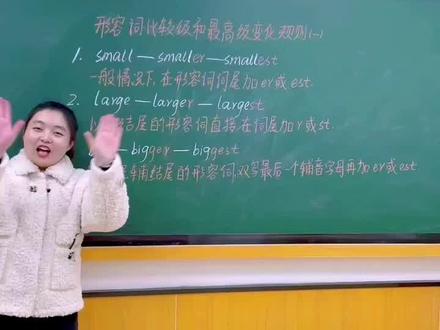 01:15查看AI文稿AI文稿
同学们大家好,今天我们来学习形容词比较集合最高级的变化规则。一来看一下第一个词, small, 小的 smaller 在后面加上 e, 二 是变成比较级,更小的 smalla 的,最小的在后面加上 e s t 变成最高级。这就是第一种情况,一般情况下,在形容词词尾加 e r 或 e s t 好。第二种垃圾,大的 是以 e 结尾的 larger, 更大的在刺猬加上阿尔变成一角级 luggage, 最大的在刺猬加上 s t 变成最高级。这就是第二种情况。第一 结尾的形容词直接在词尾加 r 或 s t 好。第三种 big, 大的是一个五元辅结构, 那 binger 是更大的双写, g 加 e r 变成比较级, baby 成双节, g 加 e s t 变成最高。 就是第三种情况,以复原复结尾的形容词要双写,最后 英字母再加 e r 或 e s t, 是不是非常简单呢?记得点赞关注哦!
23英语丁老师 01:48查看AI文稿AI文稿
more 形容词更多的,它是 many 骂齿的比较级。当副词讲,意为更构成部分双音节或多音节的形容词和副词的比较级,意为更多。 例如, i have more origins than he。 我有比它更多的句子。 more 更多的。 i'll be more careful next time。 下一次我会更小心。这个时候 more 加 careful 构成了 careful 的比较级,更小心。 接下来说一说 more 的相关短语和其他用法。基数词或表示数量的词加 more 加名词,意为另外的几个或附加的几个。例如, there are twenty more trees to be planted。 有另外二十棵树要被种 twenty more trees, 另外二十棵树。同时,如果 这里不用具体的基数词,用 some, a few, several 等表示数量的词加 more 也是可以的。 more and more 越来越多。例如, more and more people are interested in blocks。 越来越多的人对博客感兴趣。 more or less 多多少少多少或大约。例如, more or less one hundred people died in the heavy rain。 在这场大雨中,大约有一百人死亡。 more than 多余超过。例如, there are more than one point three billion people in china。 在中国有超过十三亿人。 more than 超过 the more the more 越怎么越怎么。例如, the more you read, the more you know。 你读的越多,你知道的就越多。 the more the more 越怎么越怎么。你记住了吗?
130同尘 05:00查看AI文稿AI文稿
嗨,上个视频我们讲解了形容词的用法,我们知道形容词就是放在名词前面或者复合不定代词的后面,起修饰限定作用。我们生活中少不了要对名词进行描述,同时也少不了名词和名词之间的比较。 中文中如果需要比较,直接在形容词前面加上更最这样的词进行修饰就可以了,比如我比你更漂亮,他是我们班学习最好的学生等等。 那么这样的比较放在英文当中要怎么处理呢?这个视频就让我们一起来看形容词的比较急与最高级的基本用法。这部分也是我们中考单选中的高频考点哦。首先需要了解形容词比较急和最高级的构成。一般情况下,我们 直接在形容词后加一二表示比较急,加 est 表示最高级。比如浪长浪根更长,浪给最长,你超高,你超了更高,你超了 最高。如果单词结尾有 e, 则以不发音 e 结尾的形容词直接在词尾加 r 便比较急,加 s t 便最高级。 比如 love you 大, love you 更大, love you 最大。而以辅音字母加外,结尾时需要变外为 i, 再加一二一 s t, 比如 ex 容易,一, ex 更容易, ex 最容易, happy 快乐, happy 更快乐, happy 最快乐。最后以重读必音节结尾,并且结尾只有一个辅音字母时,要双写最后的辅音字母,再加一二一 s t。 比如很典型的 beak bige big 或者哈次哈特哈特。想到这里,大家有没有发现,现在我们举例所有词都是单音节词和少数双音节词, 那你肯定会问,那种很长的多音节词也是符合这样的规律吗?当然不是了,当我们遇到多音节词和部分双音节词的时候,我们只 直接在词前面加木耳和 nice 就 ok 了。比如 beautiful 的音节有三个属于多音节词, 他的变化就是 beaut f, 当然了,我们说上边的这些变化都属于规则变化,下面我们来看几个超级常见的不规则变化吧,来看看下面的表格吧。 word 和 yo 的比较级是 beatri, 最高级是 fast, mate 和 max 的比较级是木耳,最高级是 maost。 大的比较急是 wors, 最高级是 word 的比较急有两种,分别是 odil 和 ldry, 最高级也有两种 odst, ldst ok。 了解了形容词比较急和最高级的构成,让 我们一起来看看他们的用法吧。一般来说两者之间的比较我们用比较急,也就是 a 加比较急加 n 加 b, 比如他的房间比我的房间大, 这是两个房间之间的大小比较,属于两者之间的比较,所以我们写成 happy birthday。 下面我们看看三者及三者以上的比较,当然就用最高级,而且形容词的最高级前面必须加的表示他就是那里唯一的最什么什么的。 而如果我们想说上海是中国最大的城市的时候,我们知道中国有很多城市在上海和他们进行比较,一定超过三者就要用最高级了,所以我们写成 伤害 sbaxy, ex i 呢。好了,这个视频我们讲的形容词比较急和最高级的构成以及基本用法。对于单音节词和双音节词构成是加 e 二和 est。 对多音节词和部分双音节词构成是加木耳和 maost, 比如 xmmorxm max xx。 当两者进行比较时用比较及格是为 a 加比较,急加 a 加 b。 当三者或三者以上进行比较时,用最高级,比如 kisstoresstubis elox, 他是我们班最高的学生。快去闯关练习吧哦耶。
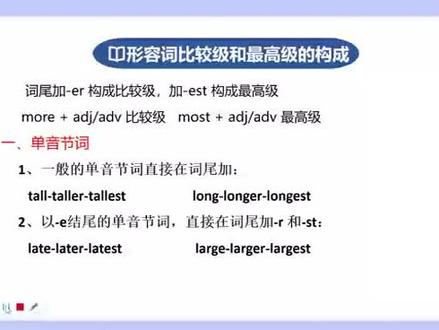 02:37查看AI文稿AI文稿
大家好,我们今天继续讲形容词,形容词里边比较重要的比较级和最高级的构成。 一般来说,形容词和副词具有原级、比较级和最高级三个等级的比较, 多数形容词具有这三种等级的比较,而对于副词来说,具有比较等级的只有方式副词、时间副词和频度副词。那么今天呢,我们主要讲的是形容词的构成。形容词比较级和最高级有两种方式, 一个是在词尾加一二构成比较级,加 est 构成最高级。另一种是在形 用词或复字前面加 mo 构成比较级,加 most 构成最高级。那么 在什么情况下加 e, r 和 est 以及 mo 和 mos 的呢?我们先从单音节词开始。第一的,一般的单音节词直接在词尾加 e, r 或 est, 比如 tall, 原级比较级 taller, 最高级 tallest, long logger, logist。 第二,以一结尾的单音介词,直接在词尾加二或 st, 因为他已经有了个一 later later, latest, large larger largest, 所以这是第二个。第三,以 y 结尾的单音节词,先变 y 为 i, 再加 e, r 和 est, 比如 shy, shar, chest。 第四,一,一个元音加一个辅音。结尾的单音节词要先双写词尾的辅音字母, 然后再加一二和一 st, 比如 fat, fatter, fattest, big bigger, biggest。 好,关于单一节词变比较级和最高级的构成就讲这么多,好,谢谢大家。
36小易带你学英语 11:06查看AI文稿AI文稿
okay, now, the piece is getting larger there's more to do and in the next section that's coming up will instead of having just chords in the left hand one per bar we'll have 16th just like in the right hand and there's gonna be a it's like a general increase in scope and size of the piece this is where we just left off and let me play for you the next couple sections so you know where we're heading this is what we just did and this is where we're heading right more to do more to do so here is what we lift off now as i said before what we left off the left hand will just start again with the open f sharp minor chord for our first bar this is the same this is the same as is the fourth bar and then this these four bars repeat again so there's nothing new in the left hand here one chord per bar and each bar has its own pedal now the right hand as i mentioned this is where we're coming from three one three two that arrives that allows us to arrive now into the next position which will then feature four one three two, four one three two right so the beginning of it is three one three two now that we've arrived in this new position we can then play four one three two and then we just let's repeat that ad nauseum so that first bar is the technique here is the same as the technique we had whenever, we had groupings of four notes right the top note were always sort of swinging towards the top note and then down towards the bottom and then on the way up is where we catch the middle two the oval is with us all right so that's our first bar two three four next bar is the same next bar is the same and the fourth bar the thumb moves from c sharp to d, but everything else remains the same super easy, right and then when you put that together with both the hands before coming from the ending of the previous section get in position and then it all repeats and as you get faster and faster you can sort of tighten up that circle that oval that you're creating with your wrist so that you don't have to go you know do you have to work as hard and then from there we now have the introduction of 16ths in both the hands it's very simple actually, but let me give you the notes first and then we'll talk about the technique to do it so where we coming from we just finished the right hand opens up to a pinky on sea sharp and the left hand drops where you'd expect at the drop of sharp of tan first, so we have this chord which were familiar with we played this solo in before, but now we're breaking it up into 16th no surprise here since we're in groupings of four we're gonna created the same oval that you created with the right hand when you played fast they should kind of mirror each other a little bit they go out together and then they come towards each other out i'm kind of exaggerating it, but i just want you to see how they're kind of mere images of each other so five three one and then swing underneath they're not gigantic movements you can find a smoothness in here pivoting freely on on the third finger there, so our first bar we have four of these four of these five two, one, two right same movement up and around up, and and around and then nothing fancy we know all of these chords we're just breaking them up, three, two, one, two and then move everything up you snitch all that up all of these are 16th easiest pie at the right hand five one four three five, one four three it's kind of similar to the earlier one we did, but it just starts off with the five and one four three five, one four three five one once you get both of these hands at least for the first bar ready to go try and play it together and try to mirror the movements so that the hand support one another no pushing just a relaxed fluid motion and relaxed fluid wrist both of them see if you can find some kind of sweet spot where really not working hard at all the bolt is off right so that's your first bar left hand changes right hand remains the same next left hand changes the c shirt minor right and remains the same and the last bar the left hand changes to d major and the right hand is basically the same except that the thumb rises to d, but everything else is the same there it is and then stitch that up little by little without practicing too quickly too soon there you have it as always the each of these bars gets their own pedal and that's about it all right and then we move into the next section which we'll do in just a moment stick around i'll see you in just a bit。
456异国钢琴教室 01:49查看AI文稿AI文稿
大家好,我是桃子老师,来看一道八上一错题,说 the number of 什么什么的数量,对吧?学生的数量,这个有的我们一定要注意哈,是什么什么的数量,然后呢, 在这个时候,其实在我们的脑海中,我们自己要另外浮现出一个短语,叫什么呃, number, 对吧?这个叫许多。我们从七年级开始就常常会辨析这两个词,一个是 the, 一个是呃,好,一个是许多一些,一个是什么的数量, 那既然是学生的数量,做主语的话,我们的谓语动词要用单数的形式,我们要用 be 动词 is, 不管你这个数量是大是多和少,对吧?是多少, 是一百还是一千,他就是一个数字,所以呢,我们要用单数的形式啊,正在变得怎么怎么样呢?咱们也常说数字用什么来表示?数字用 用大和小来表示,对吧?我们数字用大小,那我们大可以用 big, 可以用什么 large? 小的话呢?我们用 small, 所以我们这多呀,这是越来越少,对吧?这是越来越多,咱就不用了, 那这里呢? c 和 d 呢?其实都可以,对吧?你必须要看意思喽,对吧?还要继续看意思,到底是越来越大还是越来越小呢?后面说 因为每个家庭呢,都有比之前更少的孩子了,那这样的意思应该是数量越来越小了,对吧?选择的是第一项哈。再来说一下思路, the nanbo 和 nnabo, 我们要区分开来什么什么的数量。做主语的时候,我们问一个东西用单数,然后数字呢?我们要用大和小来表示数字,用大小, 价格又高低,物品又贵贱,对吧?我们这三个常常一起记,然后呢?我们就确定 c 和第,你就看后面,对吧?后面这句话如果你不读这道题,你是没有办法确定的,哈,这道题你做对了吗?
163桃子老师教英语 03:30
03:30


